Sign in
12thPass logo
New chatPYQ LibraryDoubtsRank report
Sign in to see Recents

Your guest activity stays on this device

Sign in to save progress →
Sign in

Haloalkanes and Haloarenes question

2025 · 3 Apr · Shift 2 · Q8
Guest · filters and generic practice availableBrowsing as a guest · PYQ filters and generic practice are available. Sign in only for personalised features and saved progress.
  1. PYQ Library
  2. /JEE Main
  3. /Chemistry
  4. /Haloalkanes and Haloarenes
  5. /2025 · 3 Apr · Shift 2 · Q8

Haloalkanes and Haloarenes question

2025 · 3 Apr · Shift 2 · Q8

JEE MainChemistryHaloalkanes and HaloarenesMCQ+4 / −1
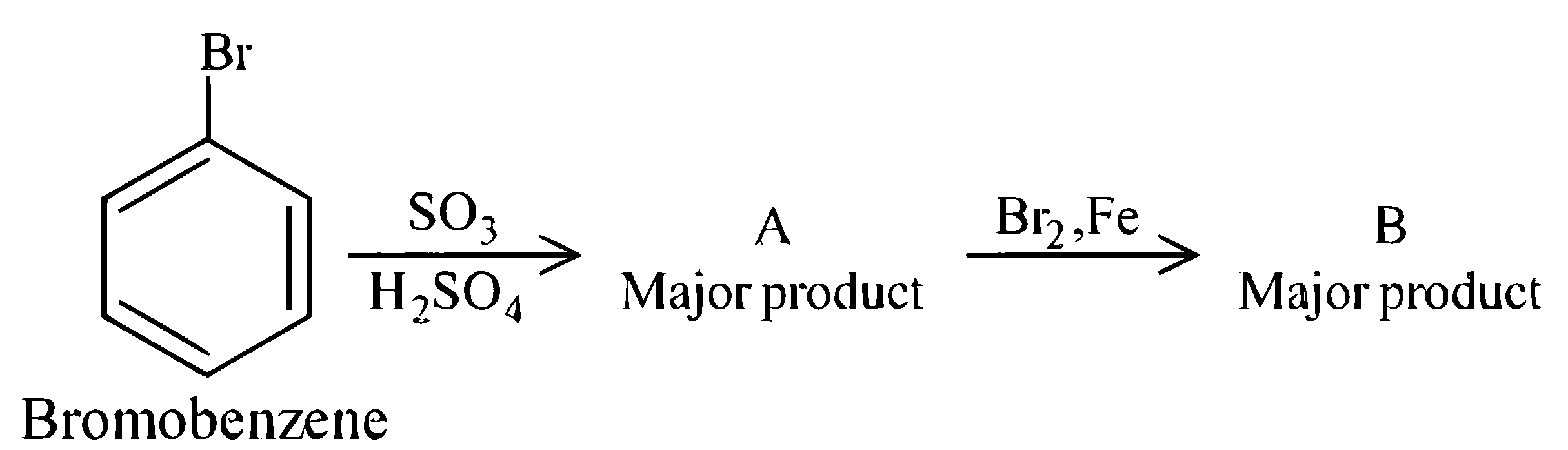
In the following series of reactions identify the major products A& B respectively \text {In the following series of reactions identify the major products } \mathrm{A} \& \mathrm{~B} \text { respectively }In the following series of reactions identify the major products A& B respectively  JEE Main 2025 (Online) 3rd April Evening Shift Chemistry - Haloalkanes and Haloarenes Question 1 English
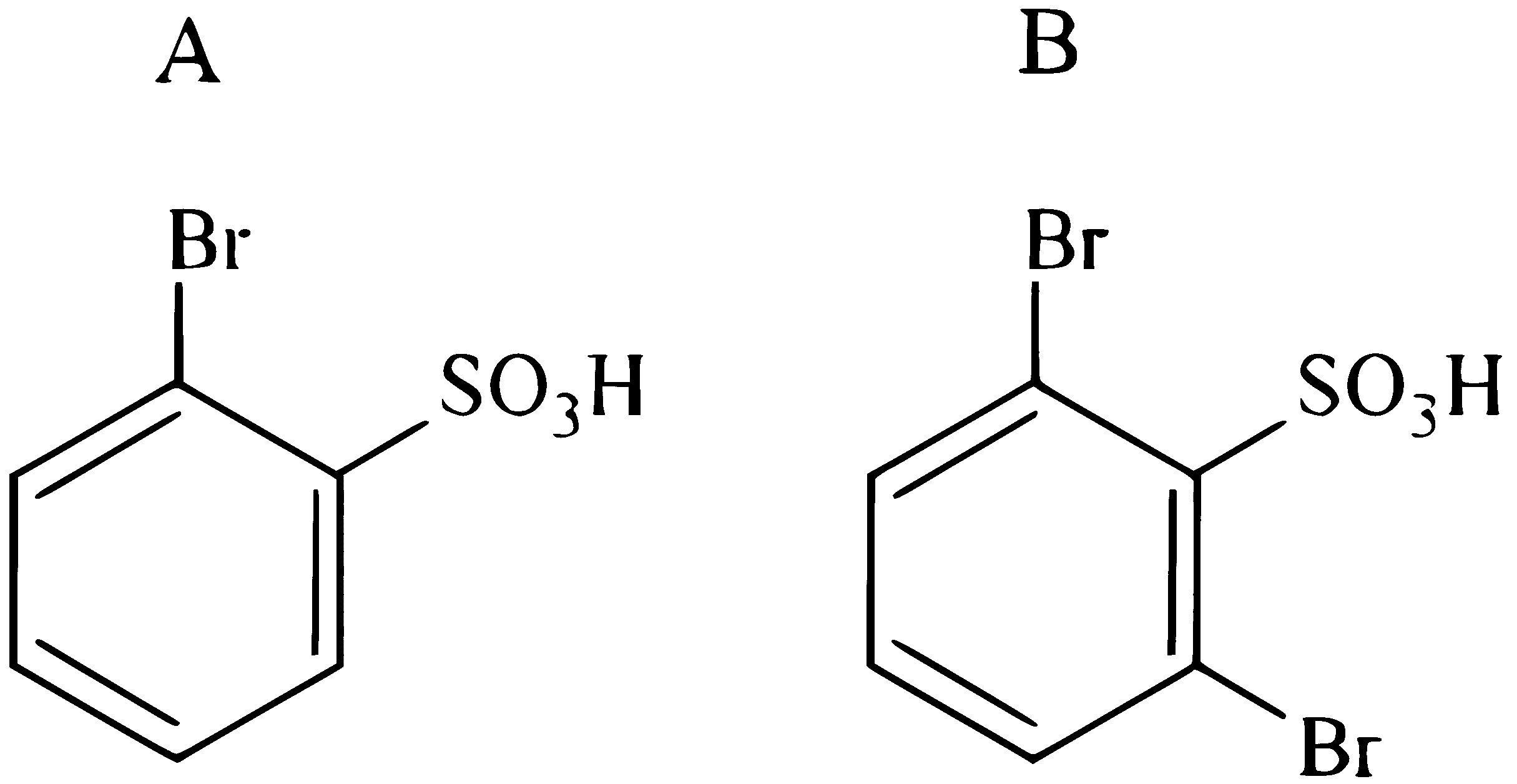
  1. A
    JEE Main 2025 (Online) 3rd April Evening Shift Chemistry - Haloalkanes and Haloarenes Question 1 English Option 1
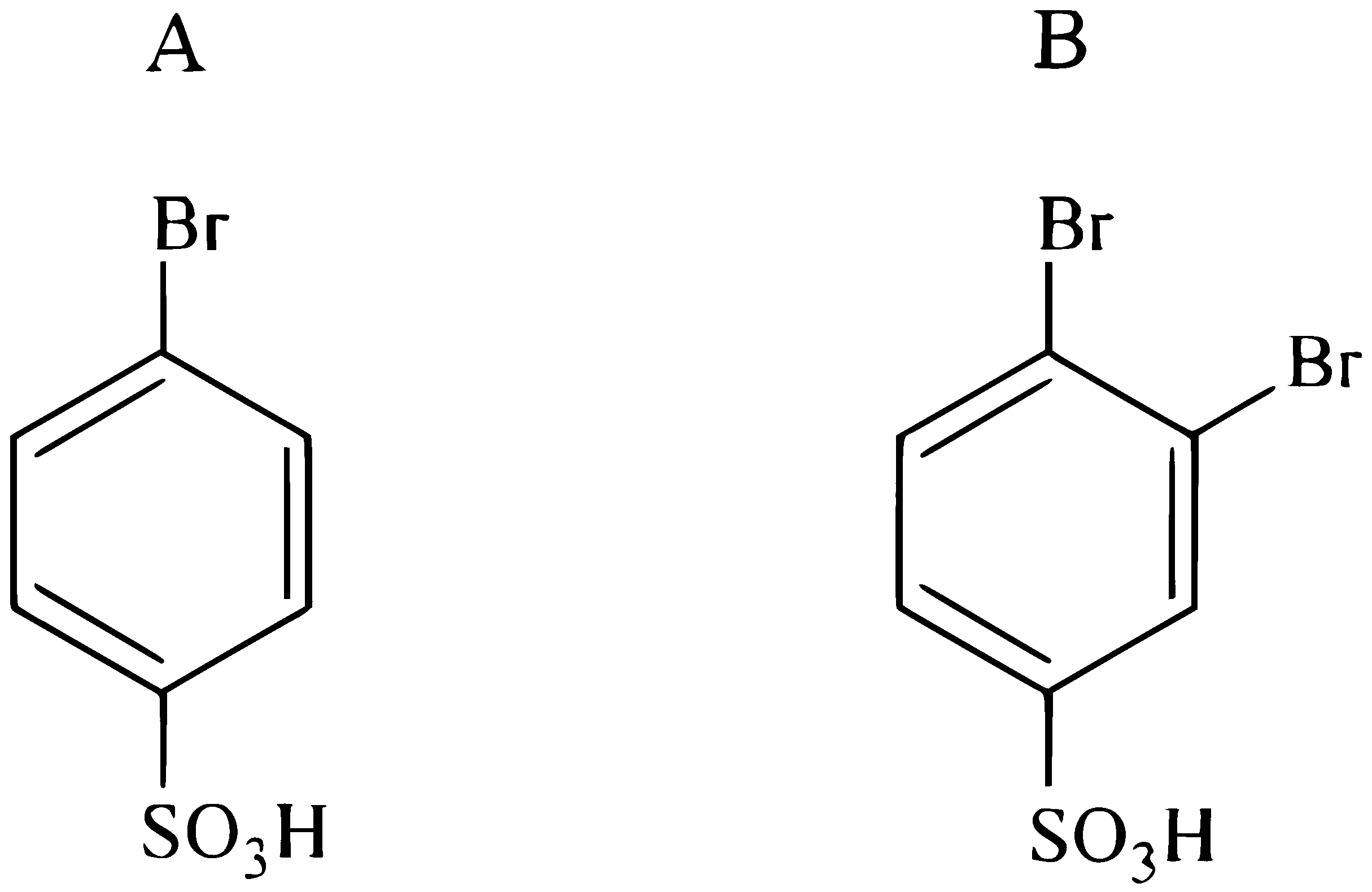
  2. B
    JEE Main 2025 (Online) 3rd April Evening Shift Chemistry - Haloalkanes and Haloarenes Question 1 English Option 2
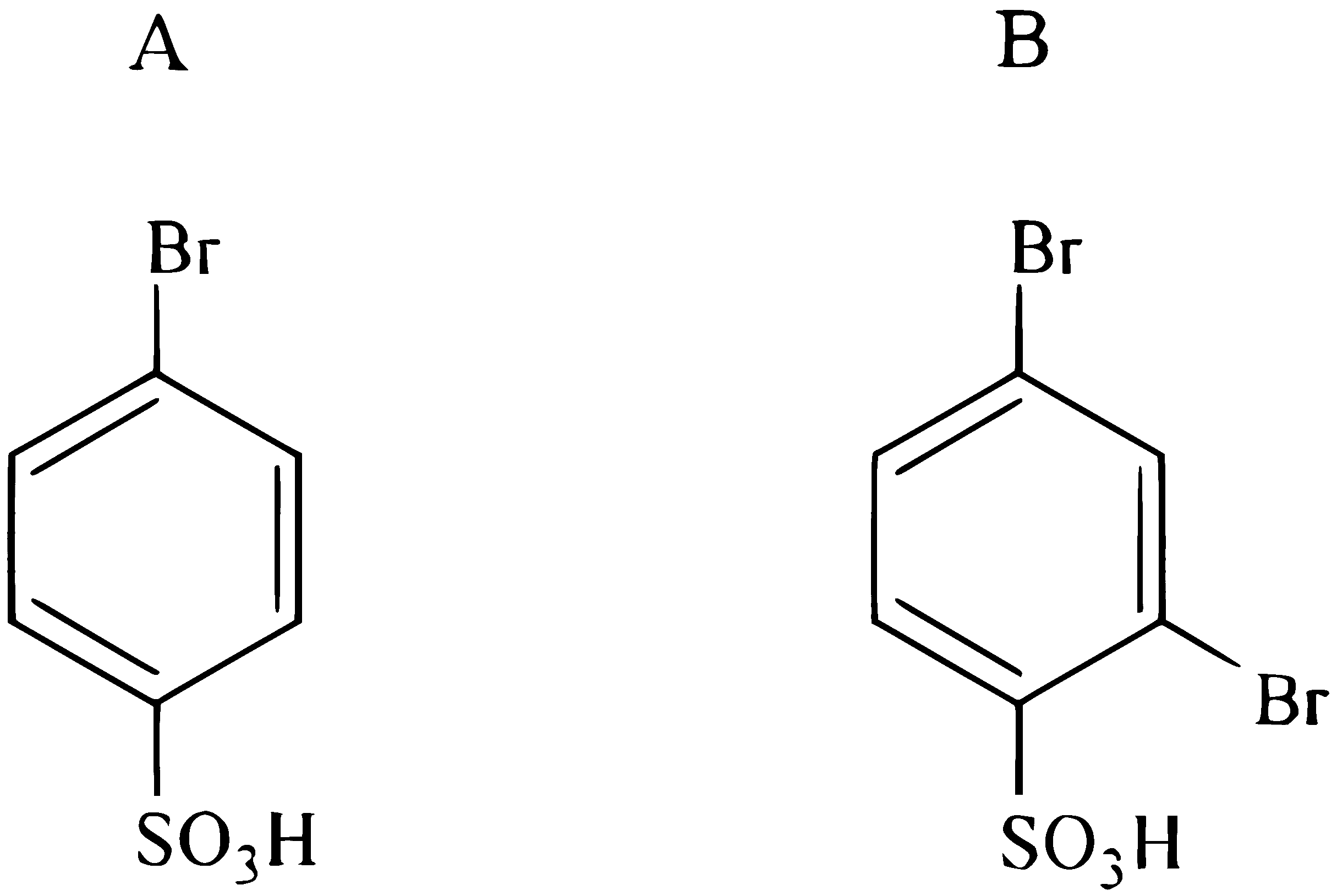
  3. C
    JEE Main 2025 (Online) 3rd April Evening Shift Chemistry - Haloalkanes and Haloarenes Question 1 English Option 3
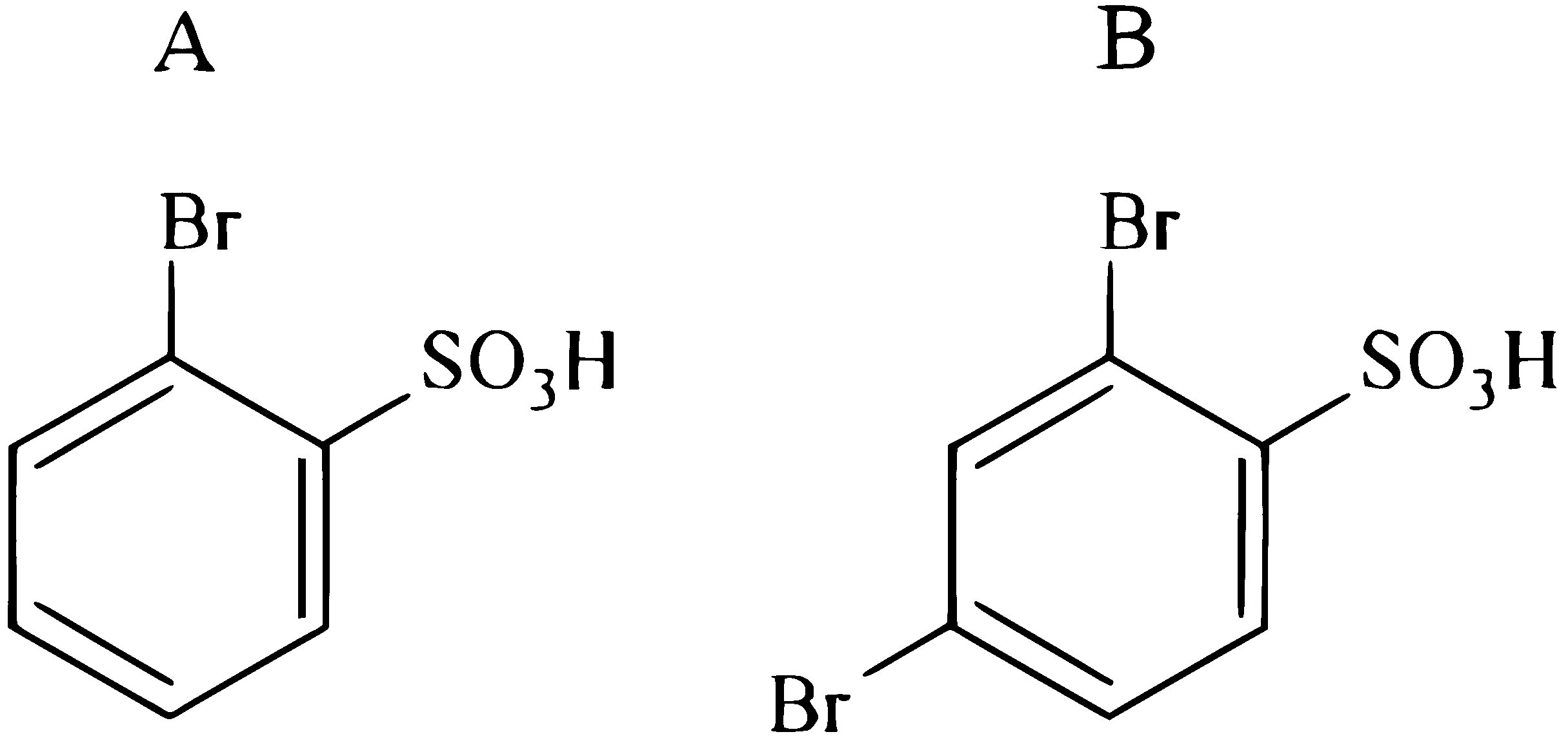
  4. D
    JEE Main 2025 (Online) 3rd April Evening Shift Chemistry - Haloalkanes and Haloarenes Question 1 English Option 4
View written solutionFree

Correct answer: B

The question asks for the major products AAA and BBB in a reaction sequence, but the actual reaction scheme/structure is missing from the prompt.

Only this text is available:

In the following series of reactions identify the major products A&B respectively\text{In the following series of reactions identify the major products } A \& B \text{ respectively}In the following series of reactions identify the major products A&B respectively

and the options are listed merely as:

  • A:
  • B:
  • C:
  • D:

with no structures shown.

Why the problem cannot be solved as given

To determine products in haloalkanes/haloarenes reactions, we must know:

  1. The starting compound(s)
  2. The reagents and conditions in each step
  3. The actual answer options (structures of products)

Since none of these are visible, the major products cannot be derived logically from the provided text alone.

Comparison with stored answer

The stored correct answer is given as B, but because the reaction sequence and options are absent, I cannot independently verify whether option B is actually correct.

Conclusion

The question is incomplete. Please provide the reaction sequence image or text and the option structures so I can solve it step-by-step and verify the answer properly.

PreviousNext

More from Haloalkanes and Haloarenes

  • Consider the following molecule(X). The major product formed when the given molecule (X) is treated with HBr(1eq) is : Includes diagram2025 · MCQ
  • Given below are two statements : Statement (I) : Alcohols are formed when alkyl chlorides are treated with aqueous potassium hydroxide by elimination reaction. Statement (II) : In alcoholic potassium hydroxide, alkyl chlorides form alkenes…2025 · MCQ
  • Choose the correct set of reagents for the following conversion. Includes diagram2025 · MCQ
  • Which one of the following reactions will not lead to the desired ether formation in major proportion? (iso- Bu⇒ isobutyl, sec −Bu⇒ sec-butyl, nPr⇒n-propyl, tBu⇒ tert-butyl, Et⇒ ethyl) …2025 · MCQ
  • 'P' is Includes diagram2025 · MCQ
  • Given below are two statements : Statement I : CH3​−O−CH2​−Cl will undergo SN​1 reaction though it is a primary halide. Statement II : will not undergo SN​2… Includes diagram2025 · MCQ
  • The maximum number of RBr producing 2-methylbutane by above sequence of reactions is ​ . (Consider the structural isomers only) Includes diagram2025 · MCQ
  • Propane molecule on chlorination under photochemical condition gives two di-chloro products, " x" and "y". Amongst "x" and "y", "x " is an optically active molecule. How many tri-chloro products (consider only structural isomers)…2025 · MCQ