Sign in
12thPass logo
New chatPYQ LibraryDoubtsRank report
Sign in to see Recents

Your guest activity stays on this device

Sign in to save progress →
Sign in

Haloalkanes and Haloarenes question

2025 · 4 Apr · Shift 2 · Q16
Guest · filters and generic practice availableBrowsing as a guest · PYQ filters and generic practice are available. Sign in only for personalised features and saved progress.
  1. PYQ Library
  2. /JEE Main
  3. /Chemistry
  4. /Haloalkanes and Haloarenes
  5. /2025 · 4 Apr · Shift 2 · Q16

Haloalkanes and Haloarenes question

2025 · 4 Apr · Shift 2 · Q16

JEE MainChemistryHaloalkanes and HaloarenesMCQ+4 / −1
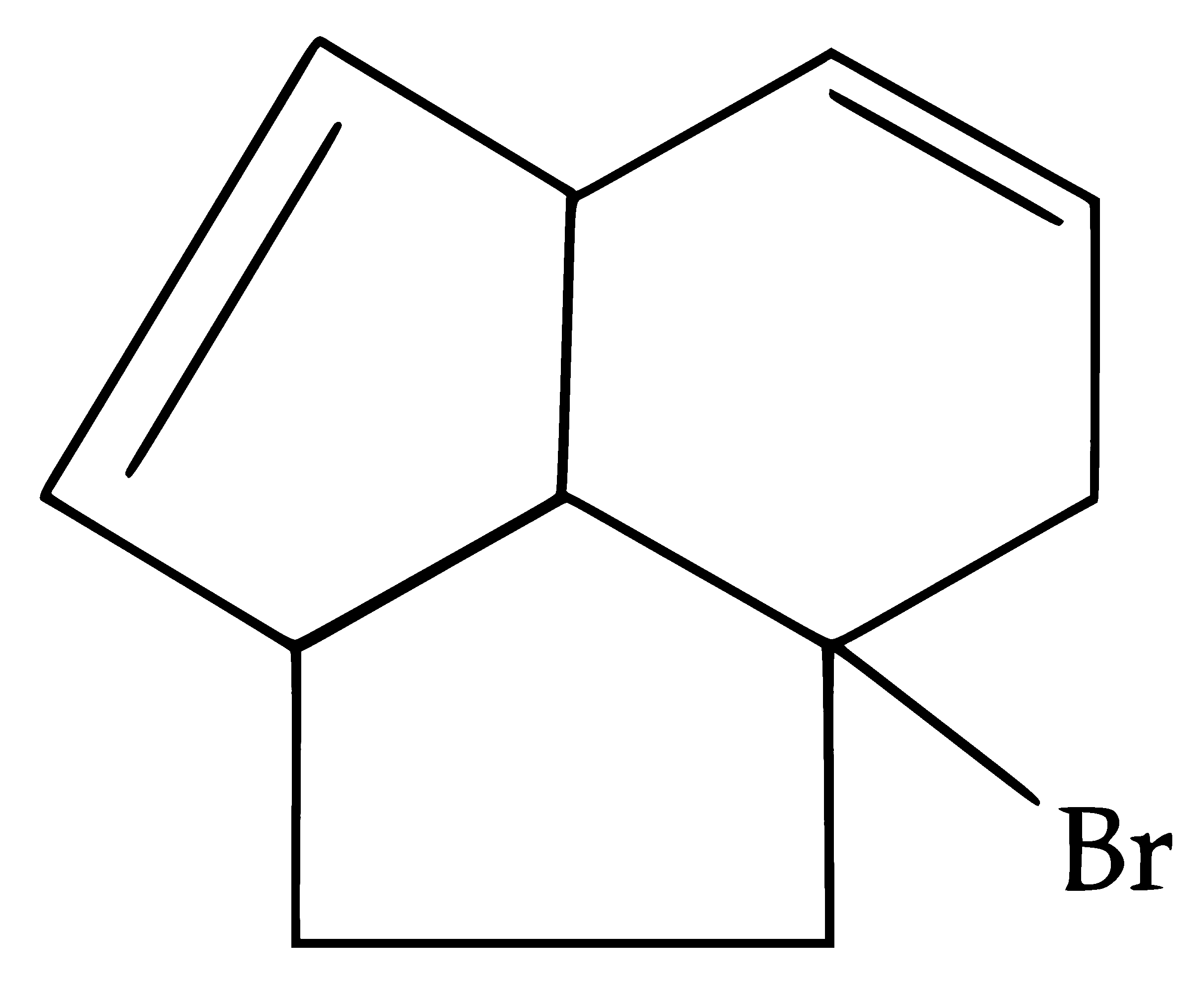
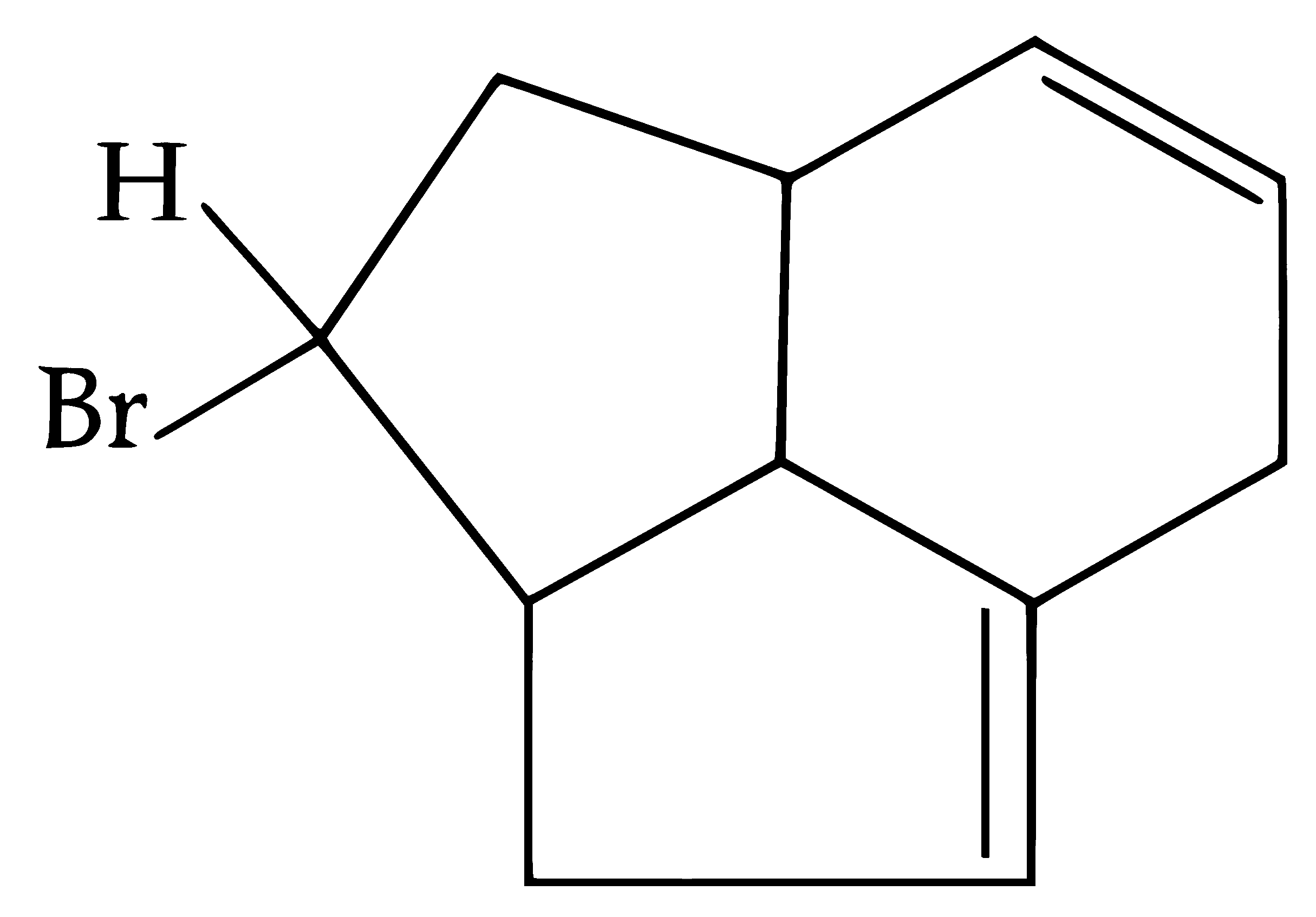
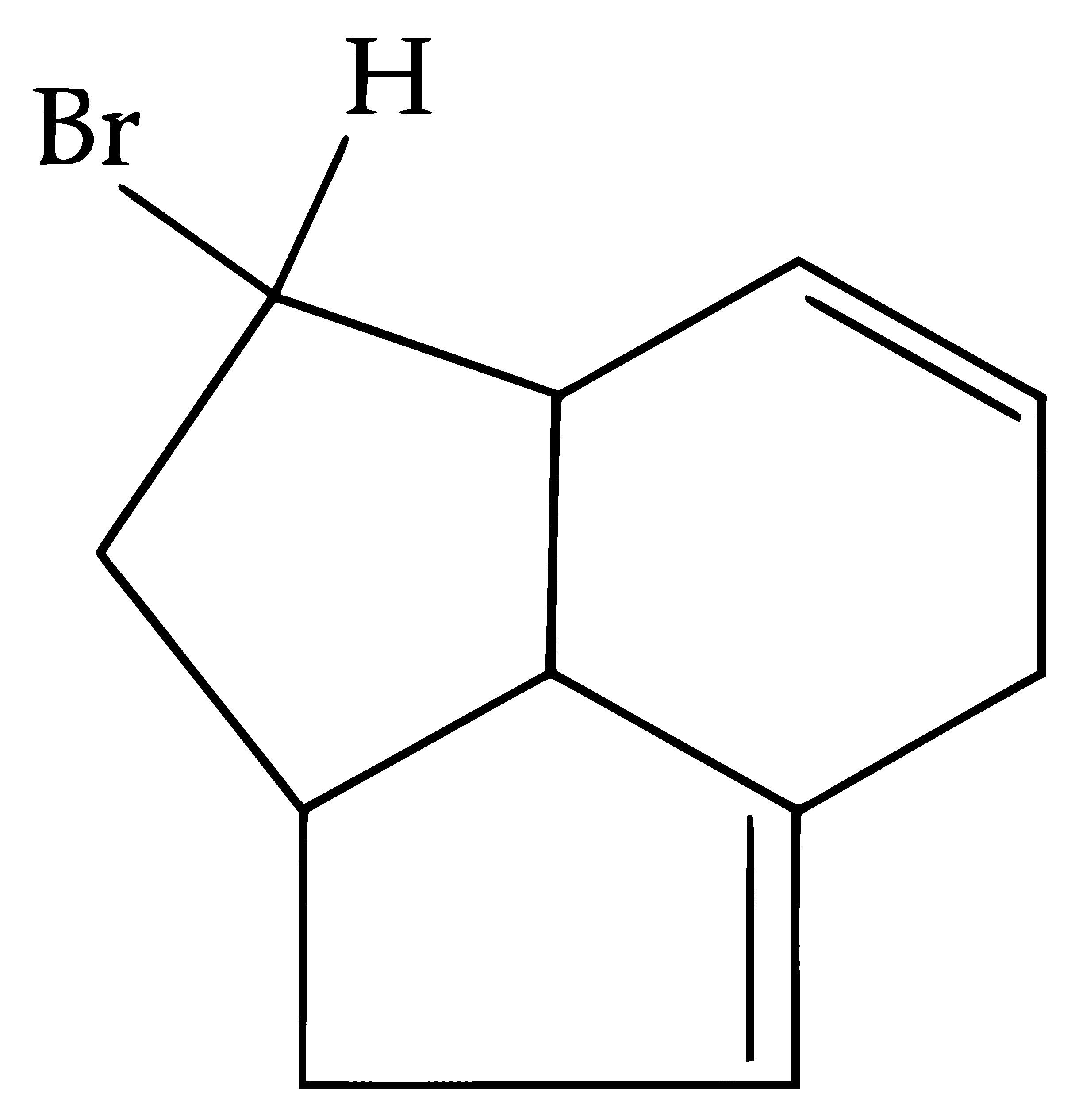
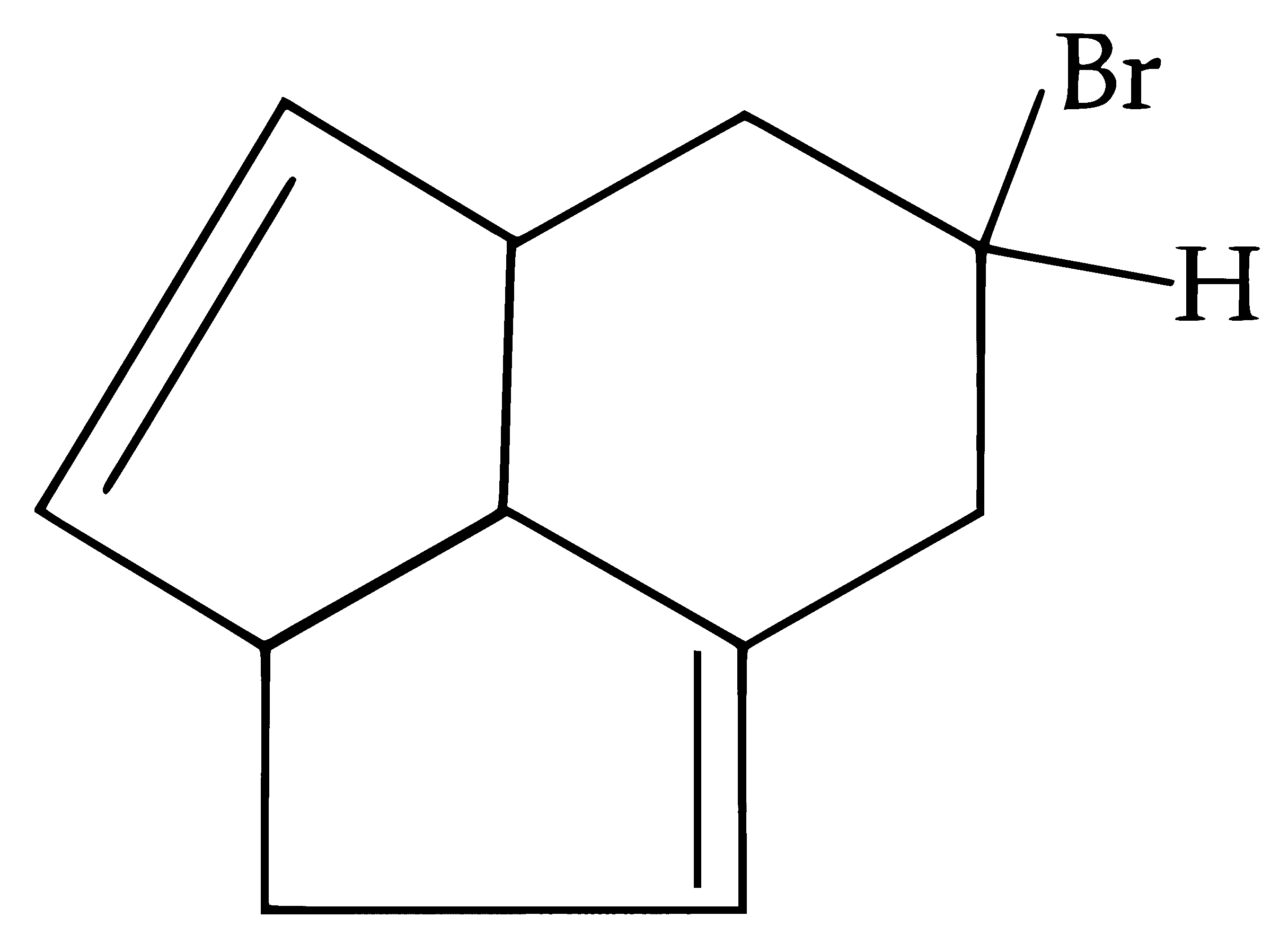
Consider the following molecule(X). JEE Main 2025 (Online) 4th April Evening Shift Chemistry - Haloalkanes and Haloarenes Question 3 English The major product formed when the given molecule (X)(X)(X) is treated with HBr(1eq)\mathrm{HBr}(1 \mathrm{eq})HBr(1eq) is :
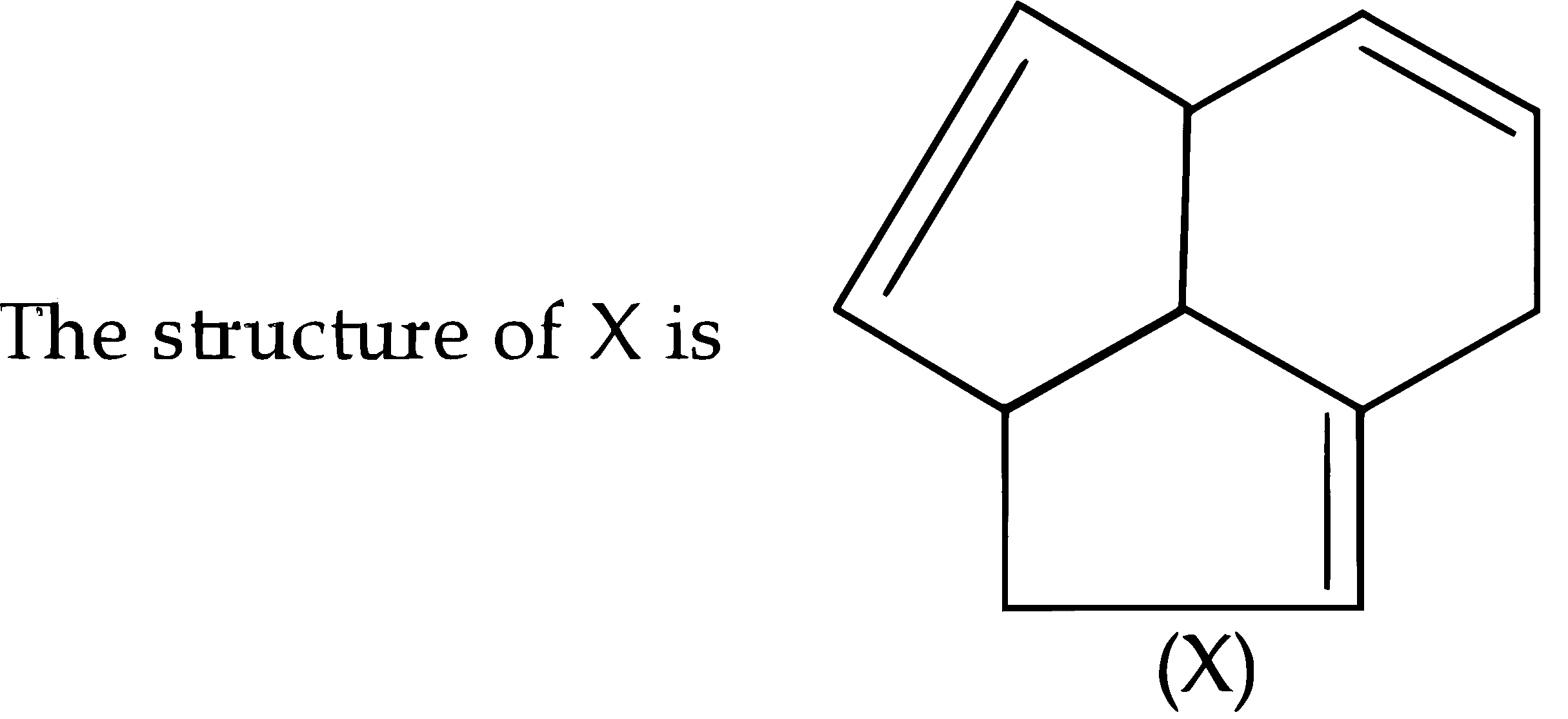
  1. A
    JEE Main 2025 (Online) 4th April Evening Shift Chemistry - Haloalkanes and Haloarenes Question 3 English Option 1
  2. B
    JEE Main 2025 (Online) 4th April Evening Shift Chemistry - Haloalkanes and Haloarenes Question 3 English Option 2
  3. C
    JEE Main 2025 (Online) 4th April Evening Shift Chemistry - Haloalkanes and Haloarenes Question 3 English Option 3
  4. D
    JEE Main 2025 (Online) 4th April Evening Shift Chemistry - Haloalkanes and Haloarenes Question 3 English Option 4
View written solutionFree

Correct answer: A

The question refers to a molecule (X)(X)(X) and four options, but in the provided prompt the structure of (X)(X)(X) is missing and the option structures A, B, C, D are also not shown.

Because the reaction outcome with HBr(1 eq)\mathrm{HBr}(1\,\text{eq})HBr(1eq) depends completely on the actual structure of (X)(X)(X), it is not possible to determine the major product uniquely from the text alone.

Step-by-step analysis

  1. What is needed to solve this?
    For addition of HBr\mathrm{HBr}HBr, we must know:

    • whether (X)(X)(X) contains an alkene, alkyne, alcohol, epoxide, diene, etc.
    • whether peroxides are present or absent
    • regiochemistry and possible rearrangements
    • the actual product choices
  2. What is missing?

    • Structure of molecule (X)(X)(X)
    • Structures of options A, B, C, and D
  3. Can the stored answer alone be trusted?
    The stored answer is given as A, but since the actual figures are absent, I cannot independently verify it from chemistry principles.

  4. Conclusion
    With the information provided, the problem is incomplete. The answer cannot be derived rigorously unless the structure/image is supplied.

Comparison with stored correct answer

The stored correct answer is A, but due to missing structural information, I cannot truly confirm it by calculation or mechanism.

Please upload or type the structure of (X)(X)(X) and the option structures so I can solve it properly.

PreviousNext

More from Haloalkanes and Haloarenes

  • Given below are two statements : Statement (I) : Alcohols are formed when alkyl chlorides are treated with aqueous potassium hydroxide by elimination reaction. Statement (II) : In alcoholic potassium hydroxide, alkyl chlorides form alkenes…2025 · MCQ
  • Choose the correct set of reagents for the following conversion. Includes diagram2025 · MCQ
  • Which one of the following reactions will not lead to the desired ether formation in major proportion? (iso- Bu⇒ isobutyl, sec −Bu⇒ sec-butyl, nPr⇒n-propyl, tBu⇒ tert-butyl, Et⇒ ethyl) …2025 · MCQ
  • 'P' is Includes diagram2025 · MCQ
  • Given below are two statements : Statement I : CH3​−O−CH2​−Cl will undergo SN​1 reaction though it is a primary halide. Statement II : will not undergo SN​2… Includes diagram2025 · MCQ
  • The maximum number of RBr producing 2-methylbutane by above sequence of reactions is ​ . (Consider the structural isomers only) Includes diagram2025 · MCQ
  • Propane molecule on chlorination under photochemical condition gives two di-chloro products, " x" and "y". Amongst "x" and "y", "x " is an optically active molecule. How many tri-chloro products (consider only structural isomers)…2025 · MCQ
  • Identify the products [A] and [B], respectively in the following reaction: Includes diagram2025 · MCQ