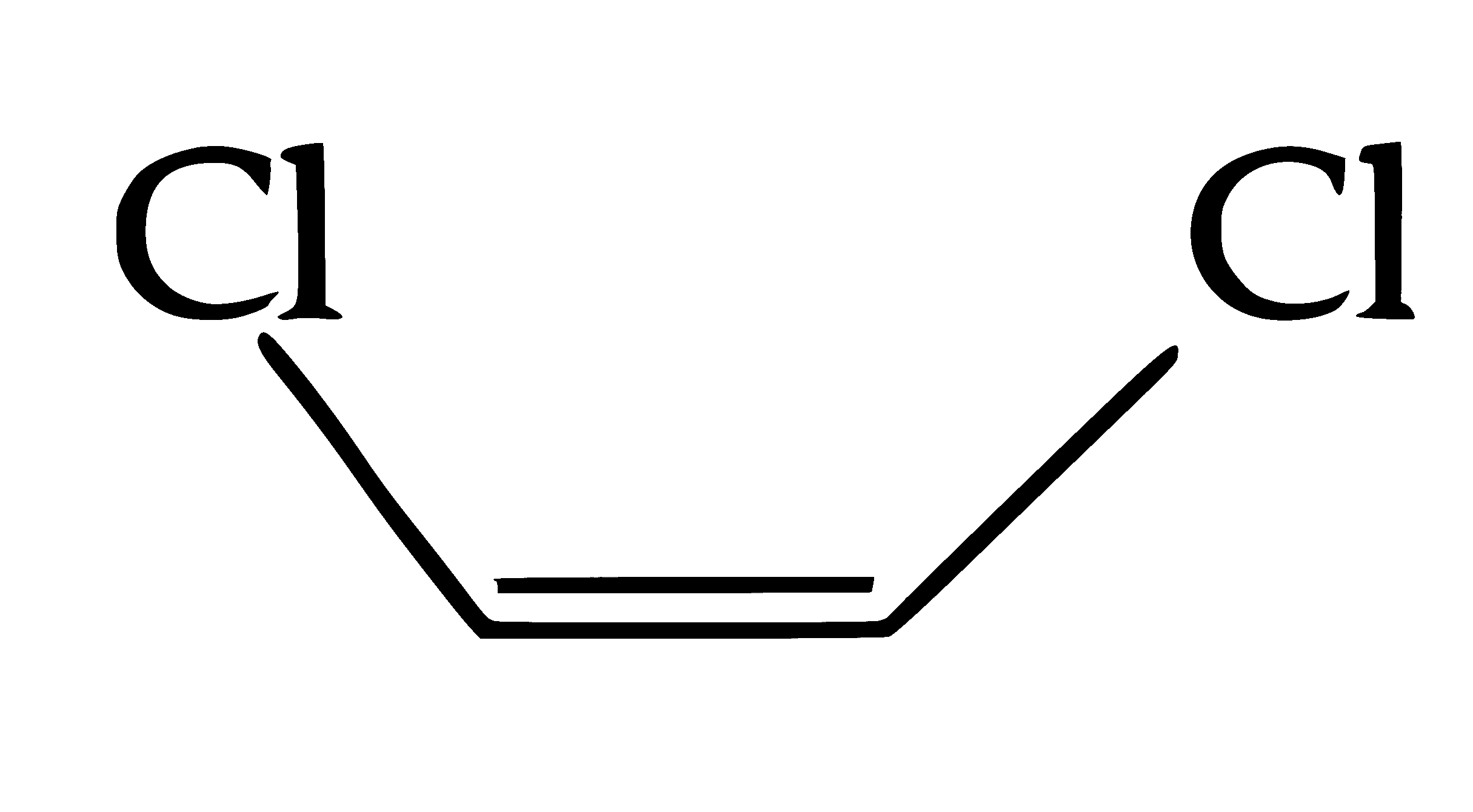
 is more polar than
 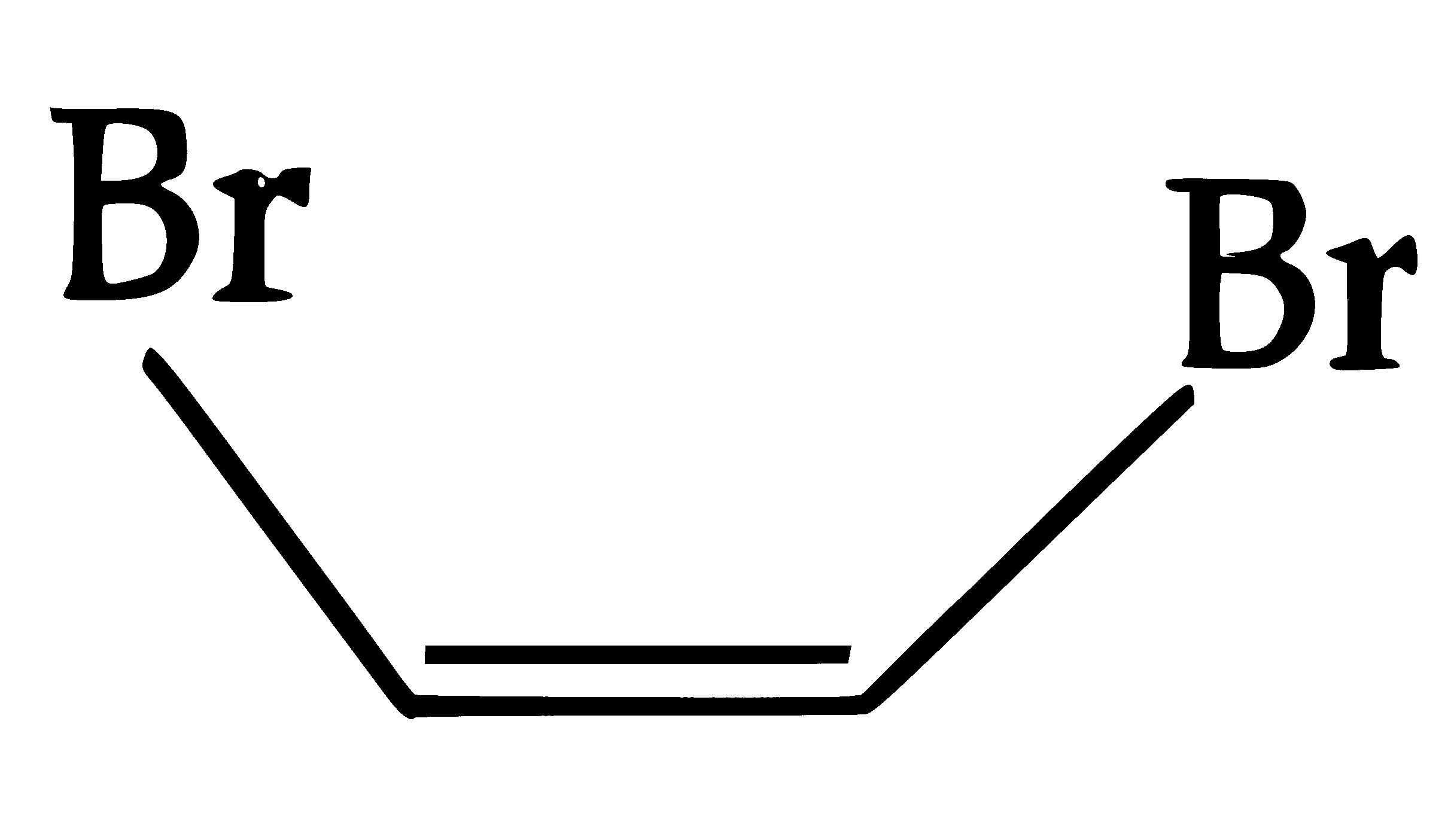 Statement (II) : Boiling point of
 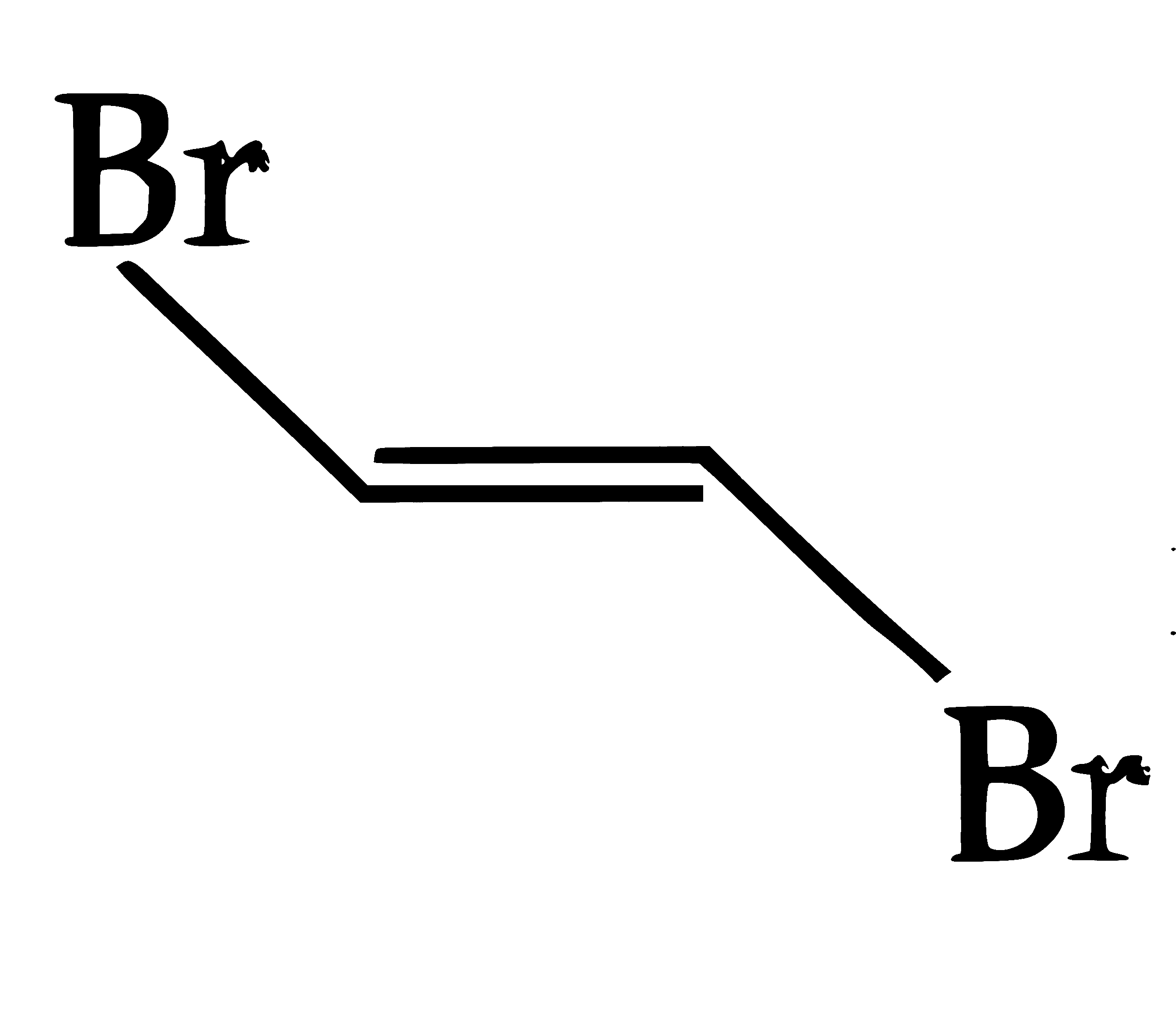 is lower than but it is more polar than . In the light of the above statements, choose the most appropriate answer from the options given below :
- ABoth Statement I and Statement II are correct
- BStatement I is incorrect but Statement II is correct
- CBoth Statement I and Statement II are incorrect
- DStatement I is correct but Statement II is incorrect
View written solutionFree
Correct answer: D
The formulas in the prompt are not rendered, but this standard bonding/polarity question is evidently comparing halogen compounds where Statement (II) says:
- the boiling point of one compound is lower than another,
- yet it is more polar than the other.
This kind of statement is typically correct, because boiling point depends strongly on molecular mass and dispersion forces, not only polarity.
However, the stored key says D, i.e. Statement I correct and Statement II incorrect. Let us analyze the chemistry principle carefully.
1. Principle for polarity
Molecular polarity depends on:
- bond polarity,
- molecular geometry,
- vector sum of bond dipoles.
So a lighter molecule can be more polar but still have lower boiling point than a heavier less polar molecule, because heavier molecules have stronger London dispersion forces.
Thus a statement of the form is chemically very plausible and often true.
2. On Statement (II)
Because boiling point is not determined solely by polarity, Statement (II) is consistent with standard inorganic chemistry trends. For many common examples involving halides/interhalogens, the heavier molecule has the higher boiling point even if its dipole moment is smaller.
Hence Statement (II) should be correct, not incorrect.
3. On Statement (I)
Statement (I) says one species is more polar than another. Since the actual formulas are missing in the prompt, this cannot be checked directly from the text shown. But among the given options, if Statement (II) is correct, then possible answers reduce to:
- A: both correct
- B: Statement I incorrect, Statement II correct
The stored answer D requires Statement (II) to be incorrect, which is not supported by the chemistry trend.
Given the visible structure of the question, the most likely issue is that Statement (II) is correct, and therefore the stored key is likely wrong.
4. Best conclusion
Since the formulas are missing, Statement (I) cannot be definitively validated from the displayed text. But Statement (II) is chemically correct in the standard interpretation of such comparisons.
Therefore I do not agree with the stored answer D.
The most plausible corrected choice is:
- B if Statement (I) is false,
- or A if Statement (I) is true.
Because these questions commonly pair one wrong polarity comparison with one correct boiling-point-vs-polarity comparison, the most likely intended answer is B.
More from Chemical Bonding and Molecular Structure
- The number of molecules/ions that show linear geometry among the following is . …2025 · Numerical
- Arrange the following compounds in increasing order of their dipole moment : and 2025 · MCQ
- Match the List - I with List - II Choose the correct answer from the options given below: Includes table2025 · MCQ
- Which of the following linear combination of atomic orbitals will lead to formation of molecular orbitals in homonuclear diatomic molecules [internuclear axis in -direction] ? A. and …2025 · MCQ
- Which of the following statement is true with respect to and ? A. The central atoms of all the molecules are hybridized. B. The …2025 · MCQ
- Given below are two statements : Statement (I) : Experimentally determined oxygen-oxygen bond lengths in the are found to be same and the bond length is greater than that of a (double bond) but less…2025 · MCQ
- Consider ' n ' is the number of lone pair of electrons present in the equatorial position of the most stable structure of . The ions from the following with ' n ' number of unpaired electrons are A. B. …2025 · MCQ
- The molecules having square pyramidal geometry are2025 · MCQ