JEE MainChemistryHaloalkanes and HaloarenesNumerical+4 / −1
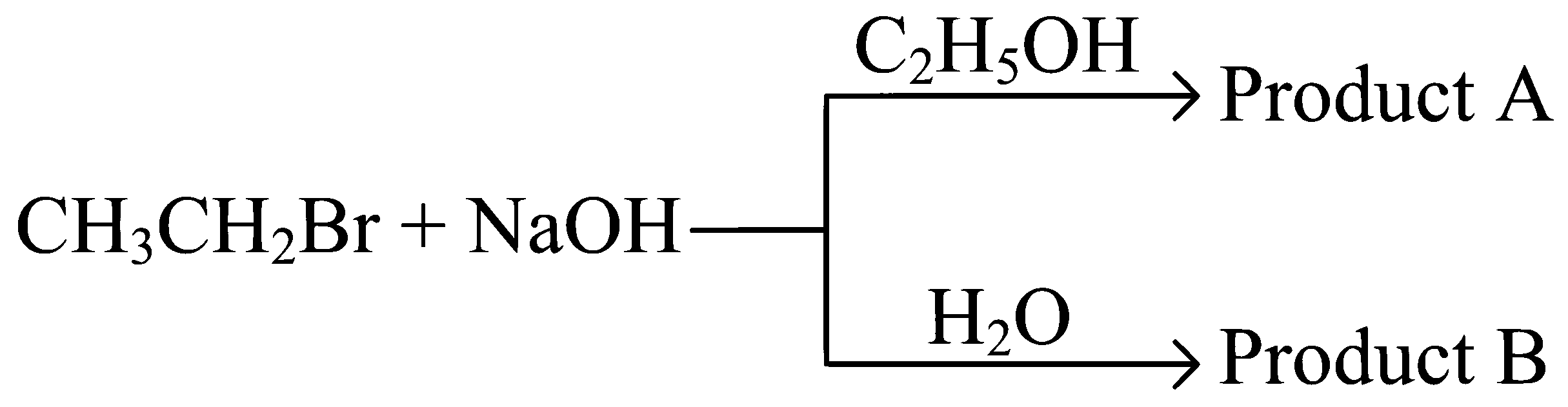 The total number of hydrogen atoms in product A and product B is .
Numerical answer
More from Haloalkanes and Haloarenes
- The product (C) in the below mentioned reaction is : …2024 · MCQ
- Identify A and B in the following reaction sequence. Includes diagram2024 · MCQ
- For the reaction The correct statement is Includes diagram2023 · MCQ
- Choose the halogen which is most reactive towards reaction in the given compounds (A, B, C & D) Includes diagram2023 · MCQ
- Major product '' formed in the following reaction is: Includes diagram2023 · MCQ
- The correct order of reactivity of following haloarenes towards nucleophilic substitution with aqueous is : Choose the correct answer from the options given below: Includes diagram2023 · MCQ
- Identify the correct order of reactivity for the following pairs towards the respective mechanism Choose the correct answer from the options given below: Includes diagram2023 · MCQ
- The pair from the following pairs having both compounds with net non-zero dipole moment is2023 · MCQ