Sign in
12thPass logo
New chatPYQ LibraryDoubtsRank report
Sign in to see Recents

Your guest activity stays on this device

Sign in to save progress →
Sign in

Haloalkanes and Haloarenes question

2023 · 25 Jan · Shift 1 · Q5
Guest · filters and generic practice availableBrowsing as a guest · PYQ filters and generic practice are available. Sign in only for personalised features and saved progress.
  1. PYQ Library
  2. /JEE Main
  3. /Chemistry
  4. /Haloalkanes and Haloarenes
  5. /2023 · 25 Jan · Shift 1 · Q5

Haloalkanes and Haloarenes question

2023 · 25 Jan · Shift 1 · Q5

JEE MainChemistryHaloalkanes and HaloarenesMCQ+4 / −1
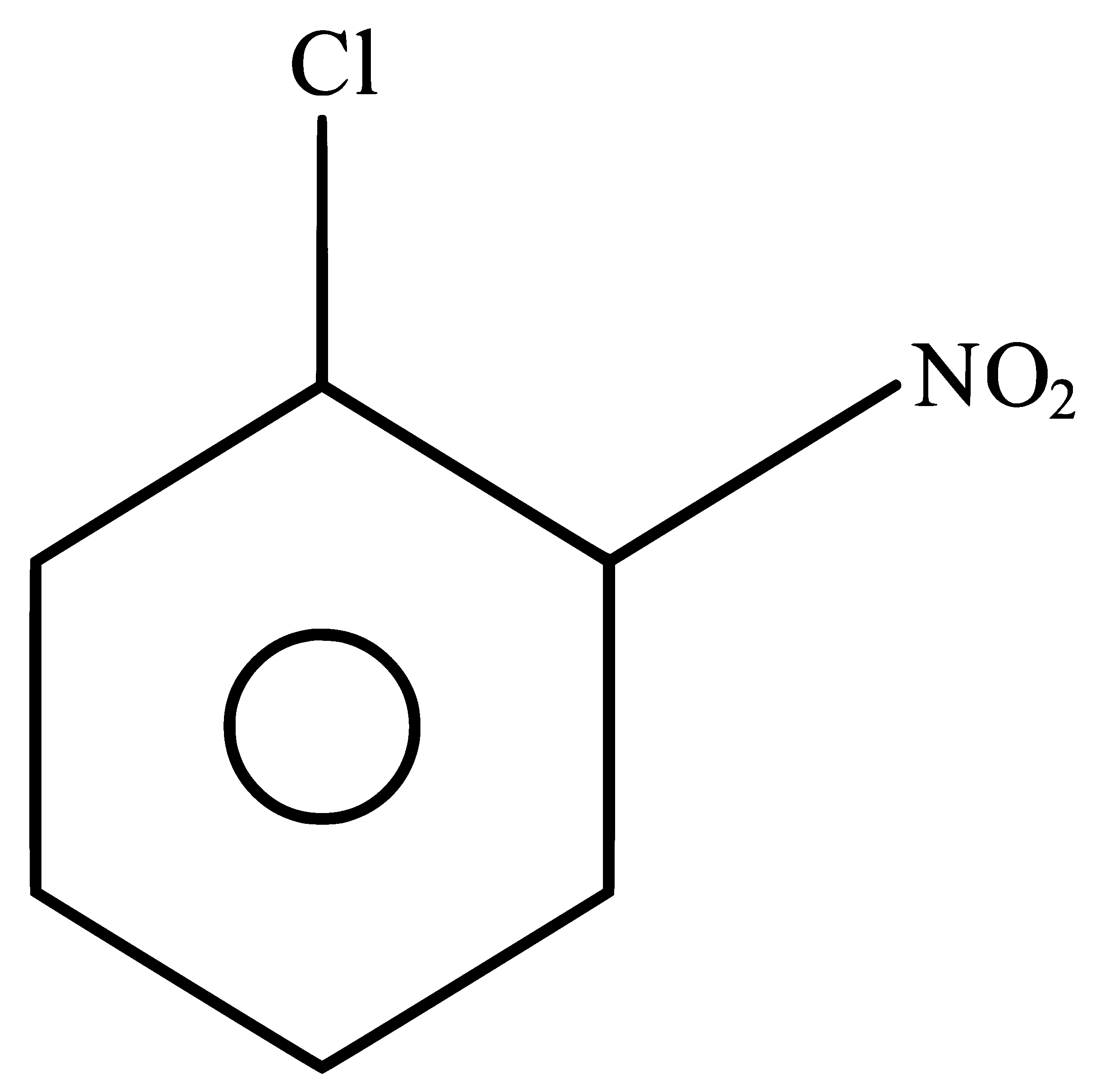
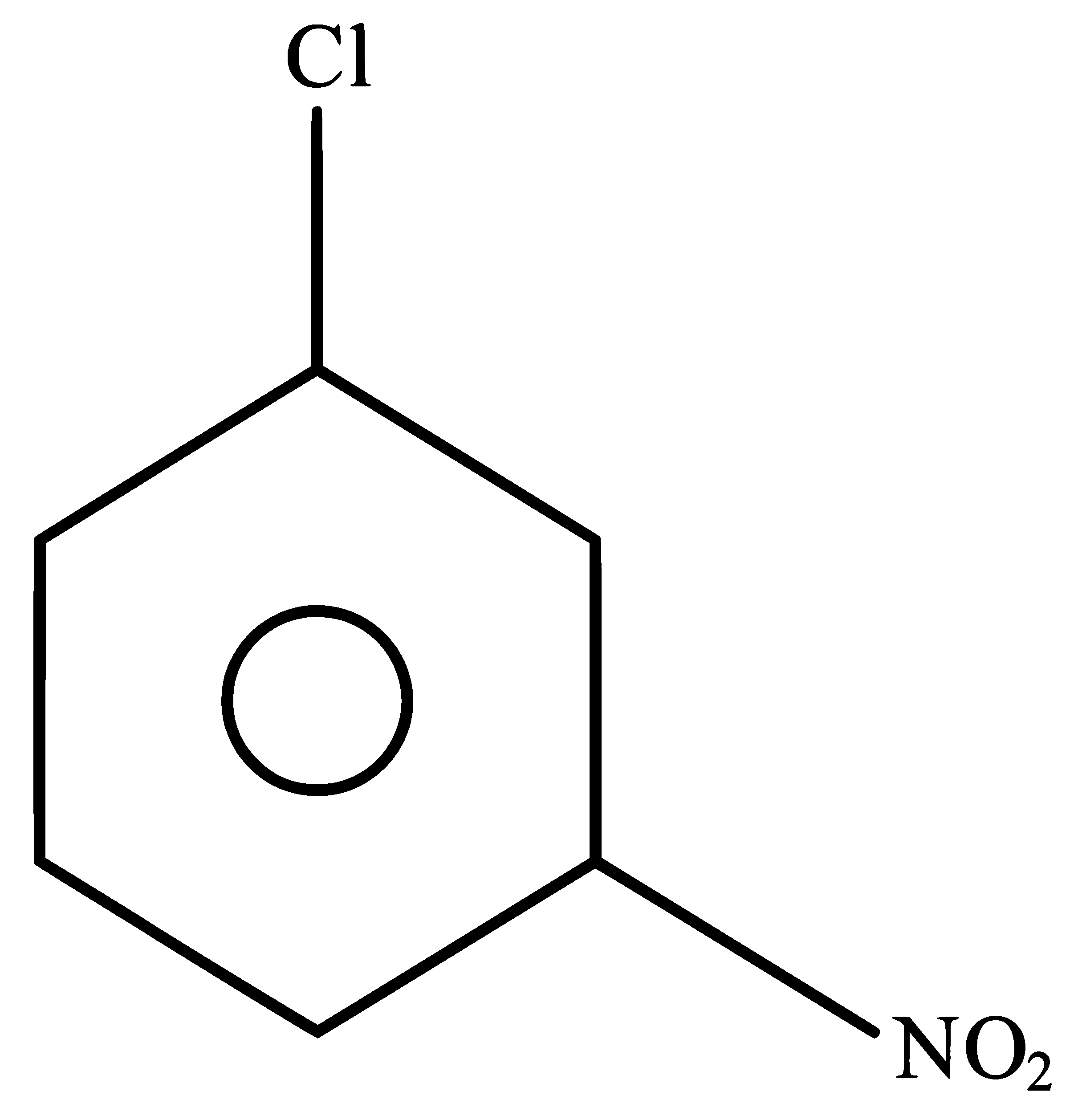
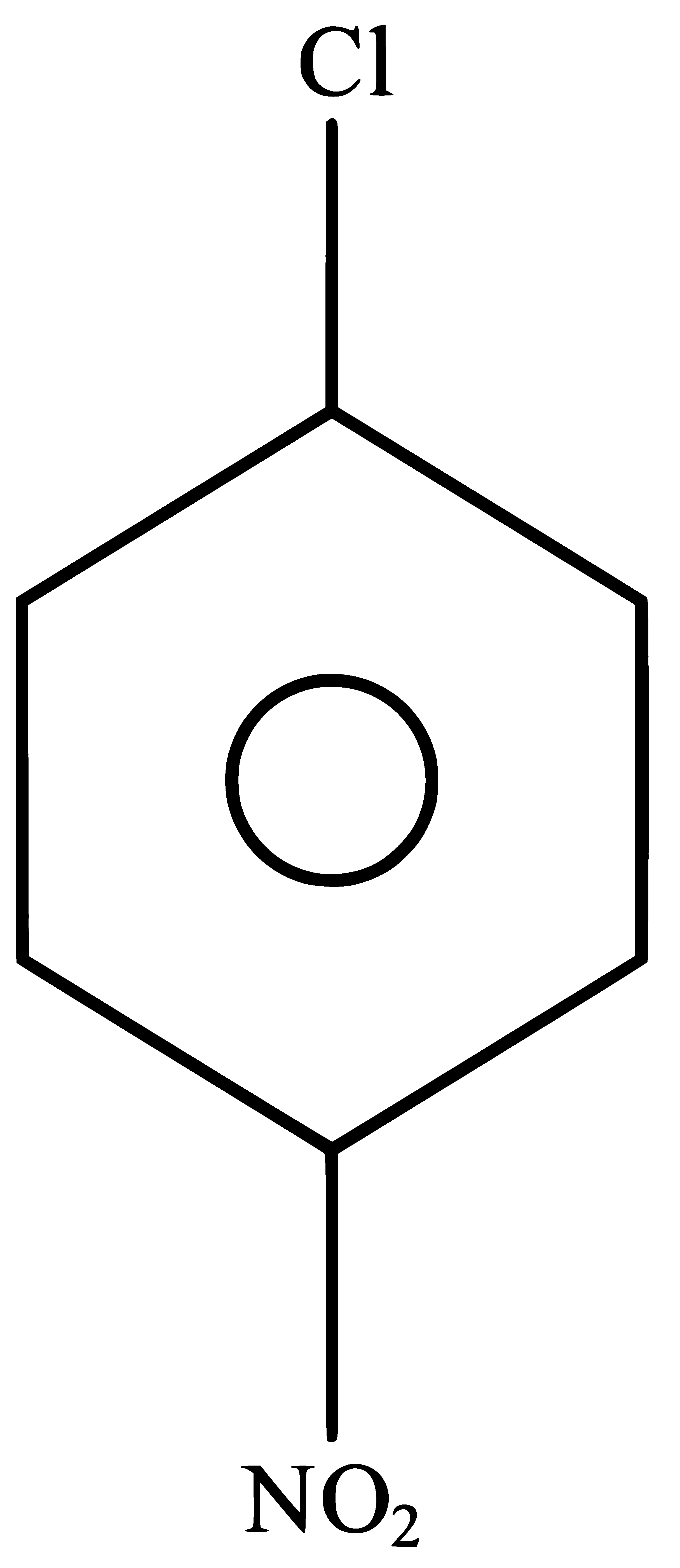
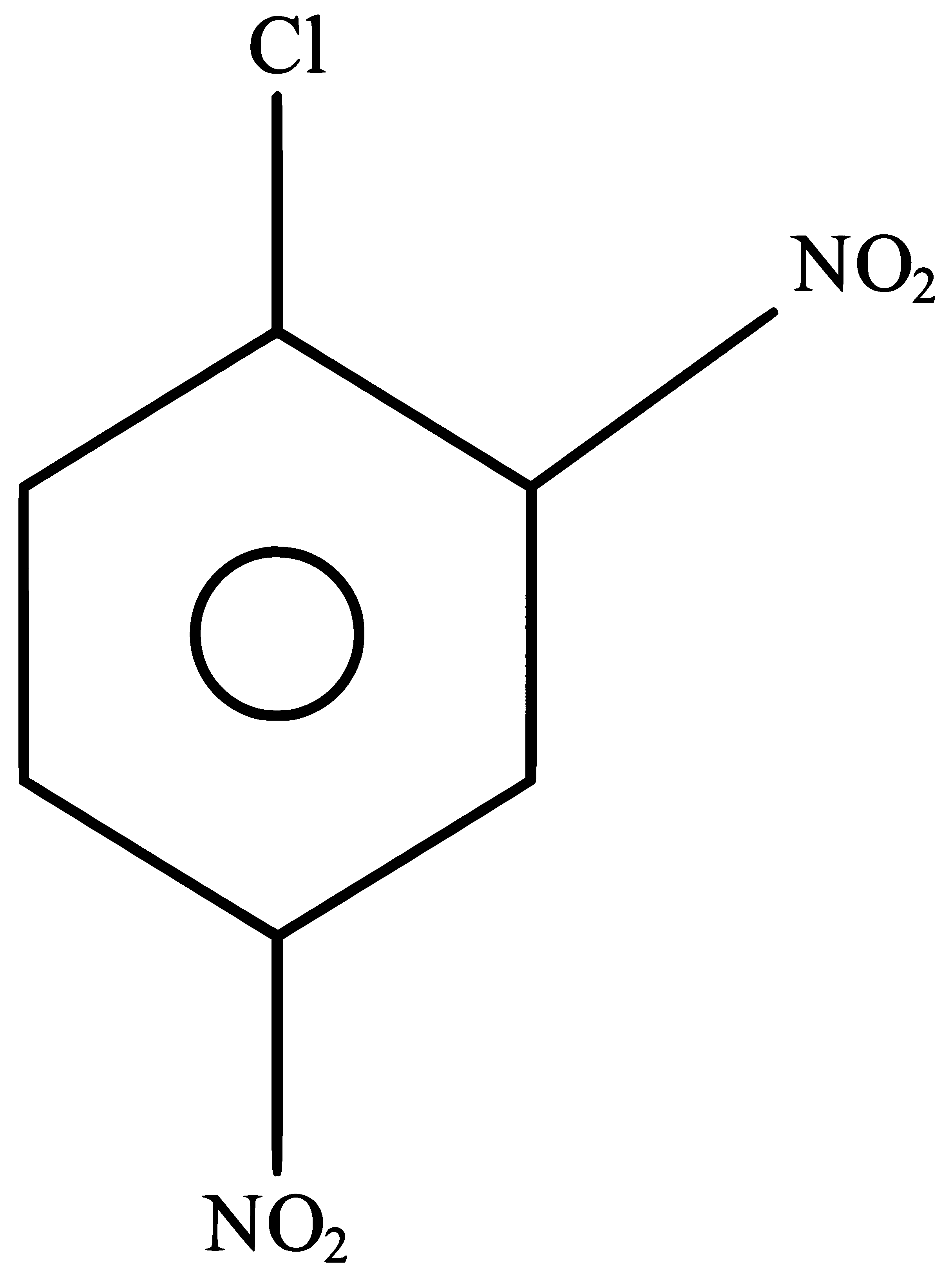
The compound which will have the lowest rate towards nucleophilic aromatic substitution on treatment with OH −^-− is
  1. A
    JEE Main 2023 (Online) 25th January Morning Shift Chemistry - Haloalkanes and Haloarenes Question 57 English Option 1
  2. B
    JEE Main 2023 (Online) 25th January Morning Shift Chemistry - Haloalkanes and Haloarenes Question 57 English Option 2
  3. C
    JEE Main 2023 (Online) 25th January Morning Shift Chemistry - Haloalkanes and Haloarenes Question 57 English Option 3
  4. D
    JEE Main 2023 (Online) 25th January Morning Shift Chemistry - Haloalkanes and Haloarenes Question 57 English Option 4
View written solutionFree

Correct answer: B

The question asks for the compound with the lowest rate toward nucleophilic aromatic substitution with \ceOH−\ce{OH^-}\ceOH−.

However, the crucial structural information is missing:

  • Option A: not provided
  • Option B: not provided
  • Option C: not provided
  • Option D: not provided

Without the structures of the four compounds, it is not possible to determine which one undergoes nucleophilic aromatic substitution slowest.

1. Principle involved

For nucleophilic aromatic substitution (SNAr\mathrm{S_NAr}SN​Ar), the rate depends strongly on:

  1. Presence of a good leaving group on the aromatic ring
  2. Presence of electron-withdrawing groups such as \ce−NO2\ce{-NO2}\ce−NO2 at ortho/para positions to the leaving group
  3. Greater stabilization of the Meisenheimer intermediate increases rate
  4. If such activating groups are absent, the reaction is much slower

Typically, reactivity order in SNAr\mathrm{S_NAr}SN​Ar depends on how strongly the ring is activated toward nucleophilic attack.

2. Why the answer cannot be uniquely derived

Since the structures/options are missing, I cannot:

  • compare the activating/deactivating groups,
  • identify relative positions (ooo, mmm, ppp),
  • evaluate stabilization of the intermediate,
  • determine which compound reacts slowest.

3. Comparison with stored answer

The stored correct answer is B, but because the options themselves are absent, I cannot independently verify that choice.

So, I do not have enough information to agree with the stored answer on chemical grounds alone.

PreviousNext

More from Haloalkanes and Haloarenes

  • The isomeric deuterated bromide with molecular formula C4​H8​DBr having two chiral carbon atoms is2023 · MCQ
  • Identify the correct order for the given property for following compounds. Choose the correct answer from the option given below : Includes diagram2023 · MCQ
  • Match List I with List II Choose the correct answer from the options given below : Includes table Includes diagram2023 · MCQ
  • Decreasing order towards SN 1 reaction for the following compounds is: Includes diagram2023 · MCQ
  • The correct order of melting points of dichlorobenzenes is2023 · MCQ
  • In the following halogenated organic compounds, the one with the maximum number of chlorine atoms in its structure is :2023 · MCQ
  • In the given reaction sequence, the major product 'C' is : Includes diagram2022 · MCQ
  • Consider the above reaction. The number of π electrons present in the product 'P' is ​. Includes diagram2022 · Numerical