JEE MainChemistryChemical Kinetics and Nuclear ChemistryMCQ+4 / −1
Given below are two statements : Statement (I) : 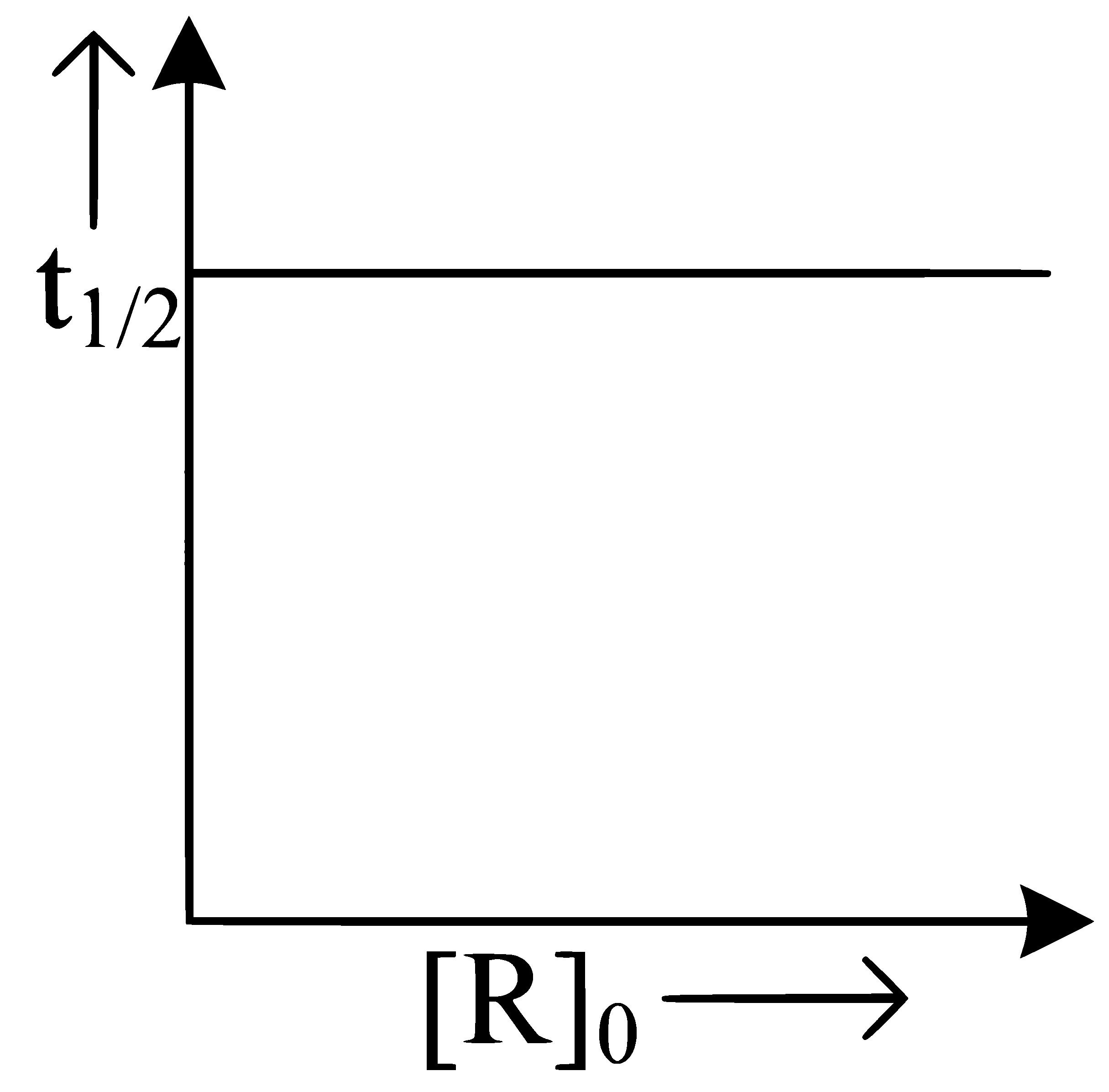 is valid for first order reaction. Statement (II) :
 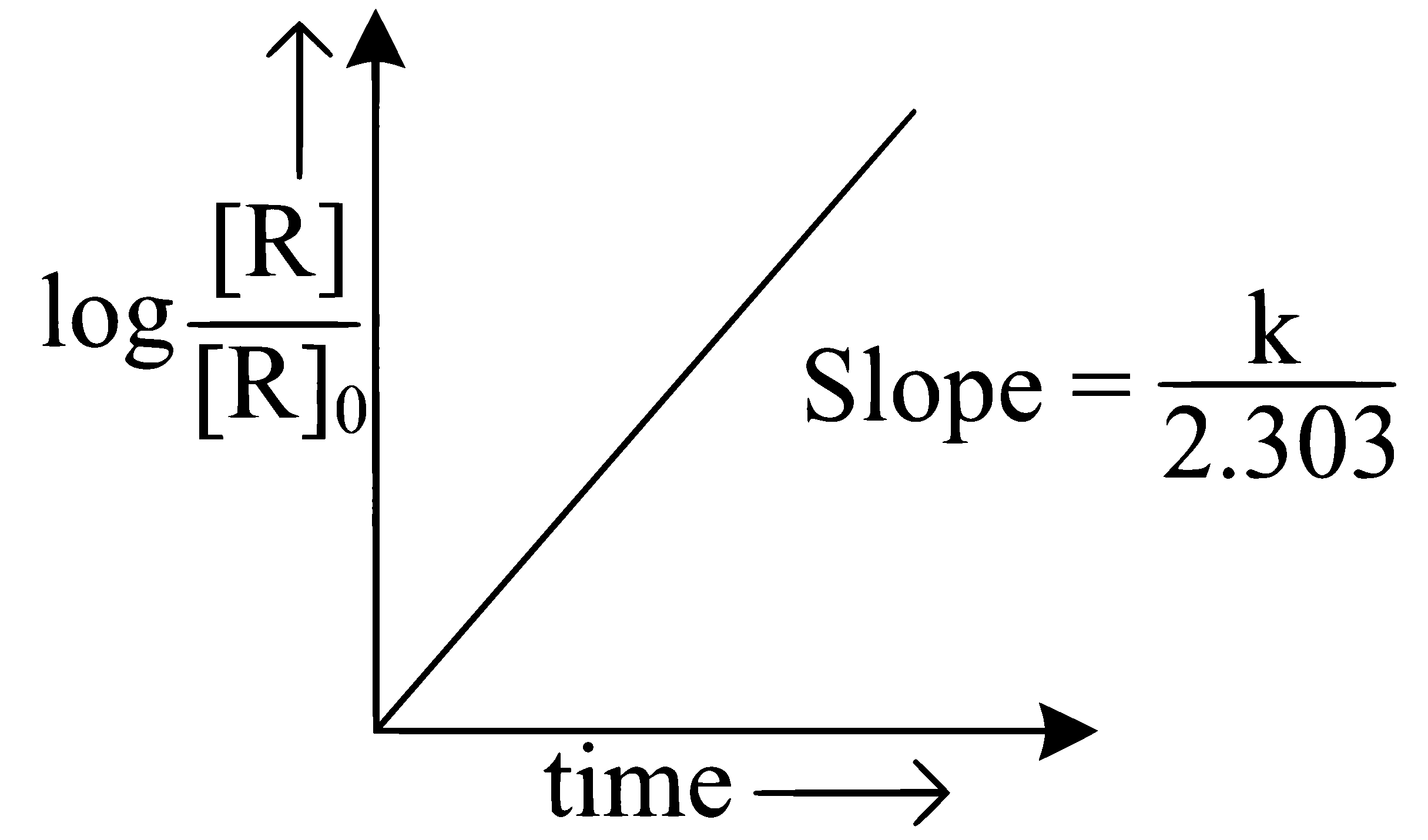 is valid for first order reaction. In the light of the above statements, choose the correct answer from the options given below :
is valid for first order reaction. Statement (II) : is valid for first order reaction. In the light of the above statements, choose the correct answer from the options given below :- ABoth Statement I and Statement II are false
- BStatement I is true but Statement II is false
- CStatement I is false but Statement II is true
- DBoth Statement I and Statement II are true
More from Chemical Kinetics and Nuclear Chemistry
- Consider a complex reaction taking place in three steps with rate constants and respectively. The overall rate constant is given by the expression . If the…2025 · Numerical
- For a given reaction is related to as given in table. Given: Which of the following is true? A. The order of the reaction is . B. If … Includes diagram2025 · MCQ
- Consider an elementary reaction If the volume of reaction mixture is suddenly reduced to of its initial volume,…2025 · MCQ
- For bacterial growth in a cell culture, growth law is very similar to the law of radioactive decay. Which of the following graphs is most suitable to represent bacterial colony growth ? Where N - Number of Bacteria at any time, …2025 · MCQ
- The reaction follows the mechanism: (fast) (slow) (fast) The overall order of the reaction…2025 · MCQ
- Drug becomes ineffective after decomposition. The original concentration of drug in a bottle was which becomes in 12 months. The expiry time of the drug in months is …2025 · MCQ
- The ratio of in a piece of wood is part that of atmosphere. If half life of is 5730 years, the age of wood sample is years.2024 · Numerical
- The following data were obtained during the first order thermal decomposition of a gas A at constant volume : The rate constant of the reaction is … Includes table2024 · Numerical