Sign in
12thPass logo
New chatPYQ LibraryDoubtsRank report
Sign in to see Recents

Your guest activity stays on this device

Sign in to save progress →
Sign in

Haloalkanes and Haloarenes question

2024 · 30 Jan · Shift 1 · Q4
Guest · filters and generic practice availableBrowsing as a guest · PYQ filters and generic practice are available. Sign in only for personalised features and saved progress.
  1. PYQ Library
  2. /JEE Main
  3. /Chemistry
  4. /Haloalkanes and Haloarenes
  5. /2024 · 30 Jan · Shift 1 · Q4

Haloalkanes and Haloarenes question

2024 · 30 Jan · Shift 1 · Q4

JEE MainChemistryHaloalkanes and HaloarenesMCQ+4 / −1
The final product A, formed in the following multistep reaction sequence is : JEE Main 2024 (Online) 30th January Morning Shift Chemistry - Haloalkanes and Haloarenes Question 33 English
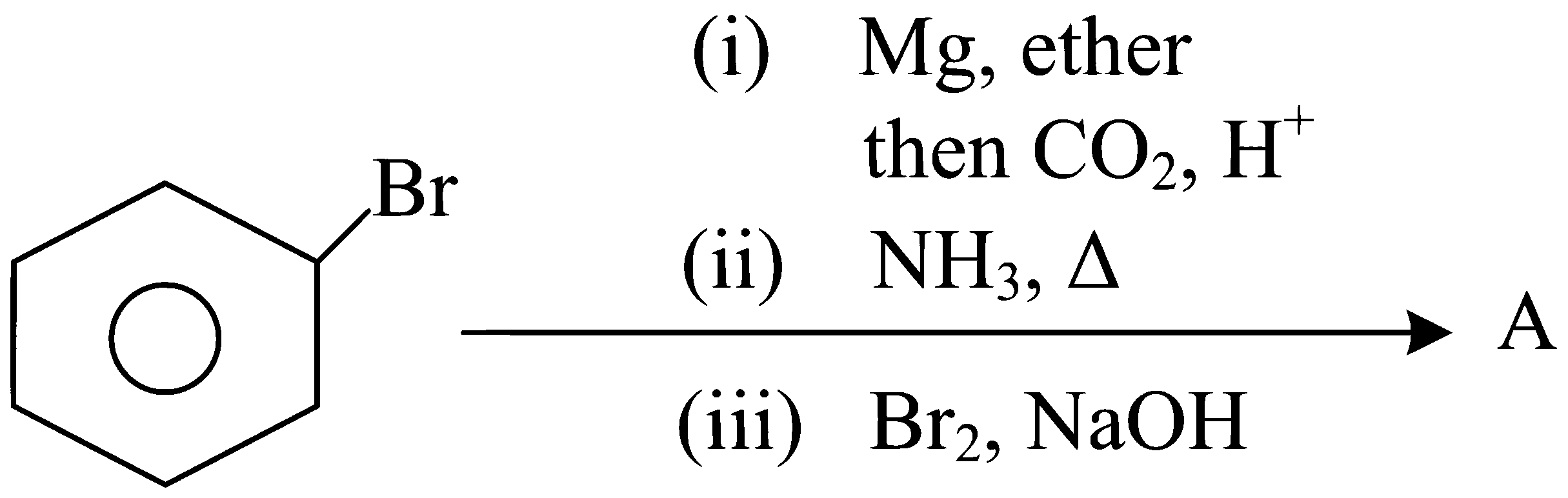
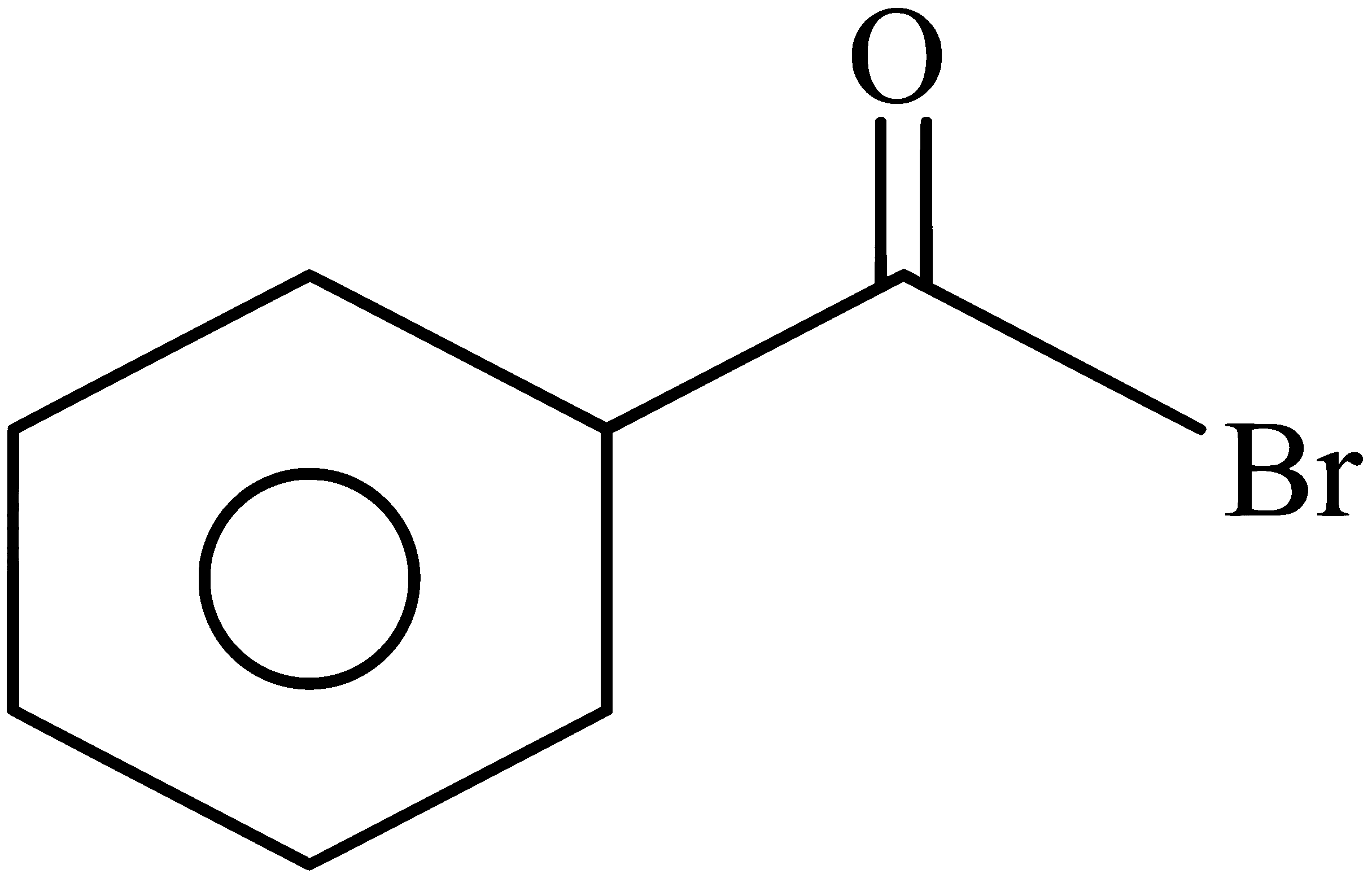
  1. A
    JEE Main 2024 (Online) 30th January Morning Shift Chemistry - Haloalkanes and Haloarenes Question 33 English Option 1
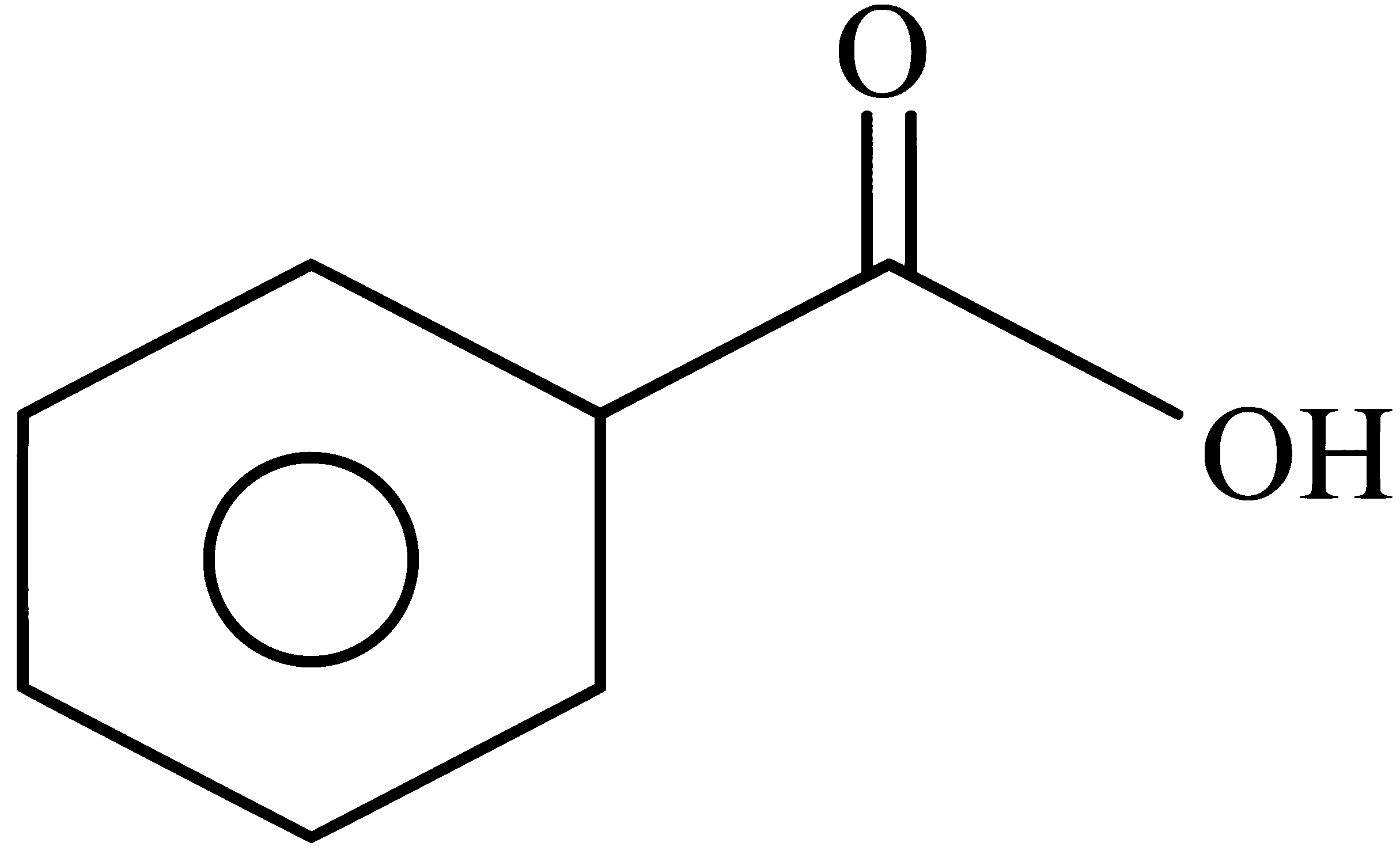
  2. B
    JEE Main 2024 (Online) 30th January Morning Shift Chemistry - Haloalkanes and Haloarenes Question 33 English Option 2
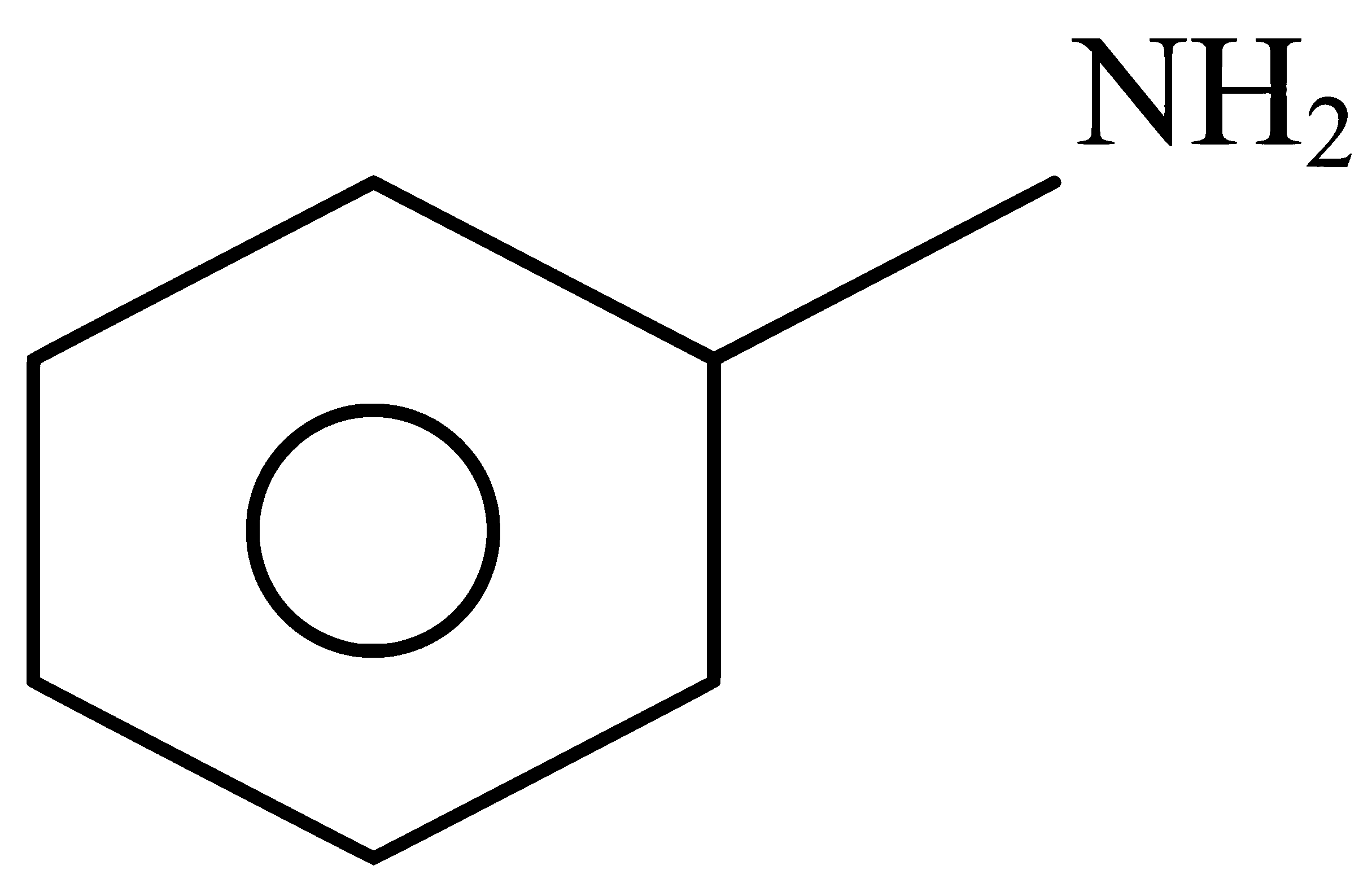
  3. C
    JEE Main 2024 (Online) 30th January Morning Shift Chemistry - Haloalkanes and Haloarenes Question 33 English Option 3
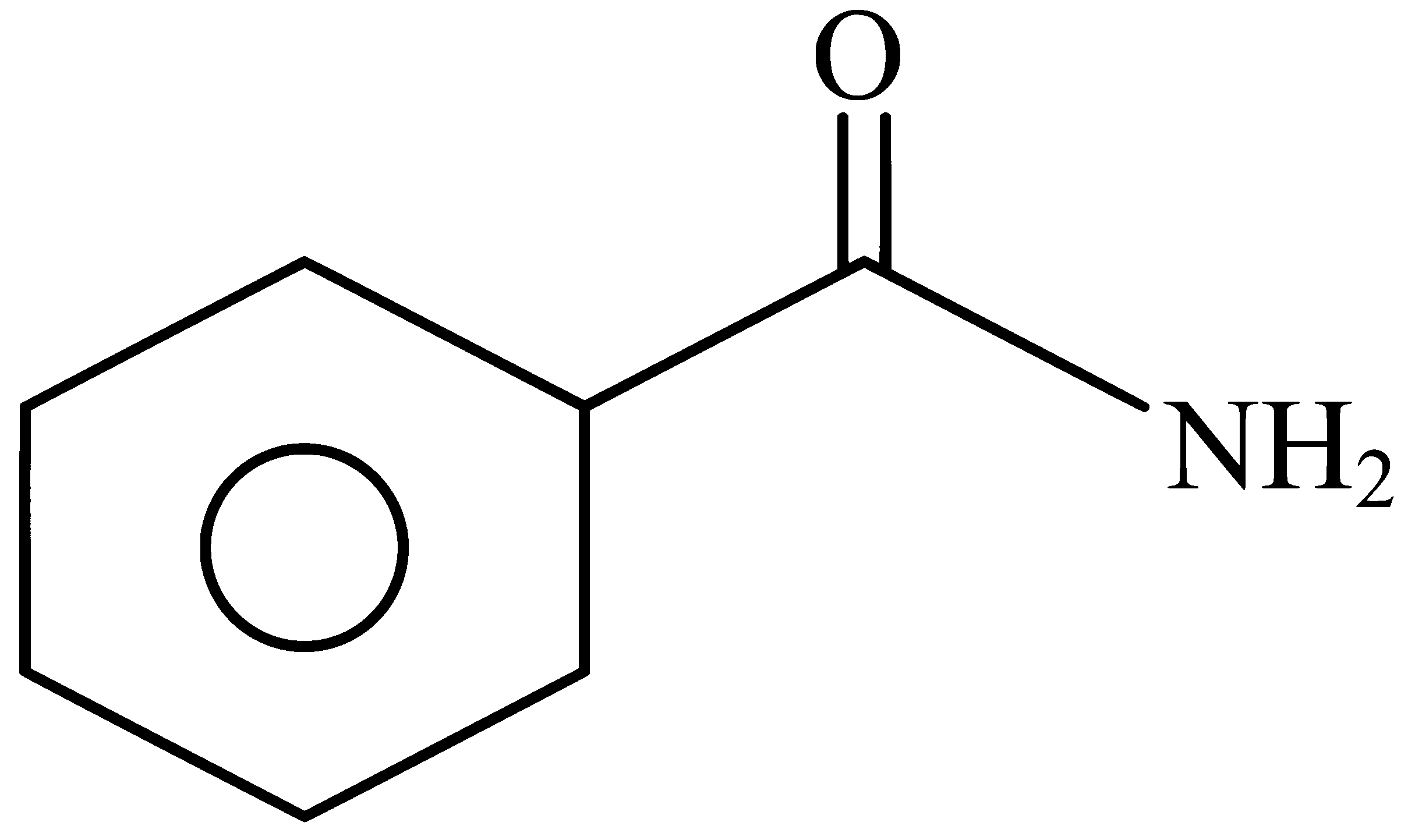
  4. D
    JEE Main 2024 (Online) 30th January Morning Shift Chemistry - Haloalkanes and Haloarenes Question 33 English Option 4
View written solutionFree

Correct answer: C

The question refers to a multistep reaction sequence, but the actual reaction scheme and the structures of options A, B, C, D are not visible in the provided prompt.

Because of that, the product cannot be derived explicitly from chemical reasoning alone: the starting compound, reagents, and option structures are all missing.

What can be concluded

  1. To solve such an organic chemistry question, I would need:

    • the starting substrate,
    • the sequence of reagents/conditions, and
    • the structures corresponding to options A, B, C, D.
  2. Since these are absent, a genuine step-by-step derivation is not possible from the information supplied.

  3. The only available reference is the stored correct answer = C.

Comparison with stored answer

As the reaction scheme is missing, I cannot independently verify whether option C is actually correct. So I cannot honestly claim agreement based on derivation.

Please share the reaction image or list the reaction sequence and option structures, and I can solve it fully step-by-step.

PreviousNext

More from Haloalkanes and Haloarenes

  • Given below are two statements: Statement - I: High concentration of strong nucleophilic reagent with secondary alkyl halides which do not have bulky substituents will follow SN​2 mechanism. Statement - II: A…2024 · MCQ
  • 2-chlorobutane +Cl2​→C4​H8​Cl2​(isomers) Total number of optically active isomers shown by C4​H8​Cl2​, obtained in the above reaction is ​…2024 · Numerical
  • The total number of hydrogen atoms in product A and product B is ​. Includes diagram2024 · Numerical
  • The product (C) in the below mentioned reaction is : CH3​−CH2​−CH2​−BrKOH(alc) ​Δ​AHBr​BΔKOH(aq)​​C…2024 · MCQ
  • Identify A and B in the following reaction sequence. Includes diagram2024 · MCQ
  • For the reaction The correct statement is Includes diagram2023 · MCQ
  • Choose the halogen which is most reactive towards SN​1 reaction in the given compounds (A, B, C & D) Includes diagram2023 · MCQ
  • Major product 'P' formed in the following reaction is: Includes diagram2023 · MCQ