Sign in
12thPass logo
New chatPYQ LibraryDoubtsRank report
Sign in to see Recents

Your guest activity stays on this device

Sign in to save progress →
Sign in

Haloalkanes and Haloarenes question

2016 · 10 Apr · Shift 1 · Q7
Guest · filters and generic practice availableBrowsing as a guest · PYQ filters and generic practice are available. Sign in only for personalised features and saved progress.
  1. PYQ Library
  2. /JEE Main
  3. /Chemistry
  4. /Haloalkanes and Haloarenes
  5. /2016 · 10 Apr · Shift 1 · Q7

Haloalkanes and Haloarenes question

2016 · 10 Apr · Shift 1 · Q7

JEE MainChemistryHaloalkanes and HaloarenesMCQ+4 / −1
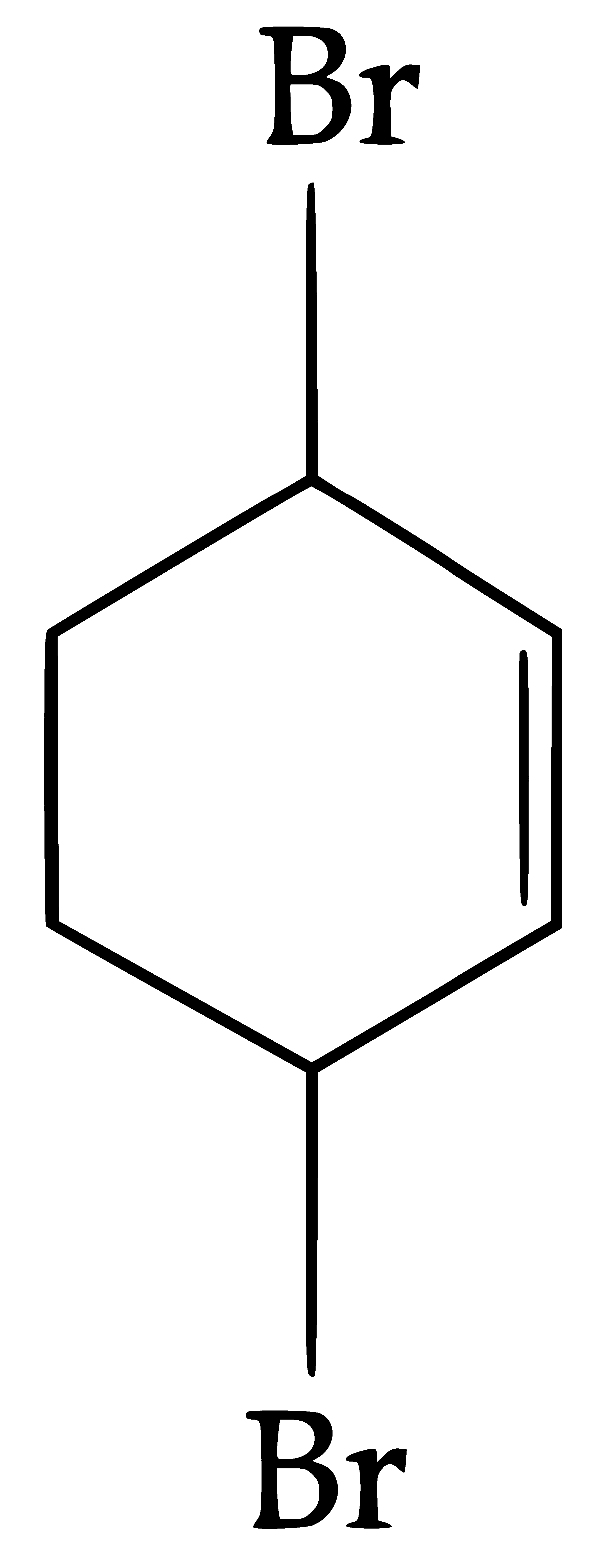
Bromination of cyclohexene under conditions given below yields : JEE Main 2016 (Online) 10th April Morning Slot Chemistry - Haloalkanes and Haloarenes Question 143 English
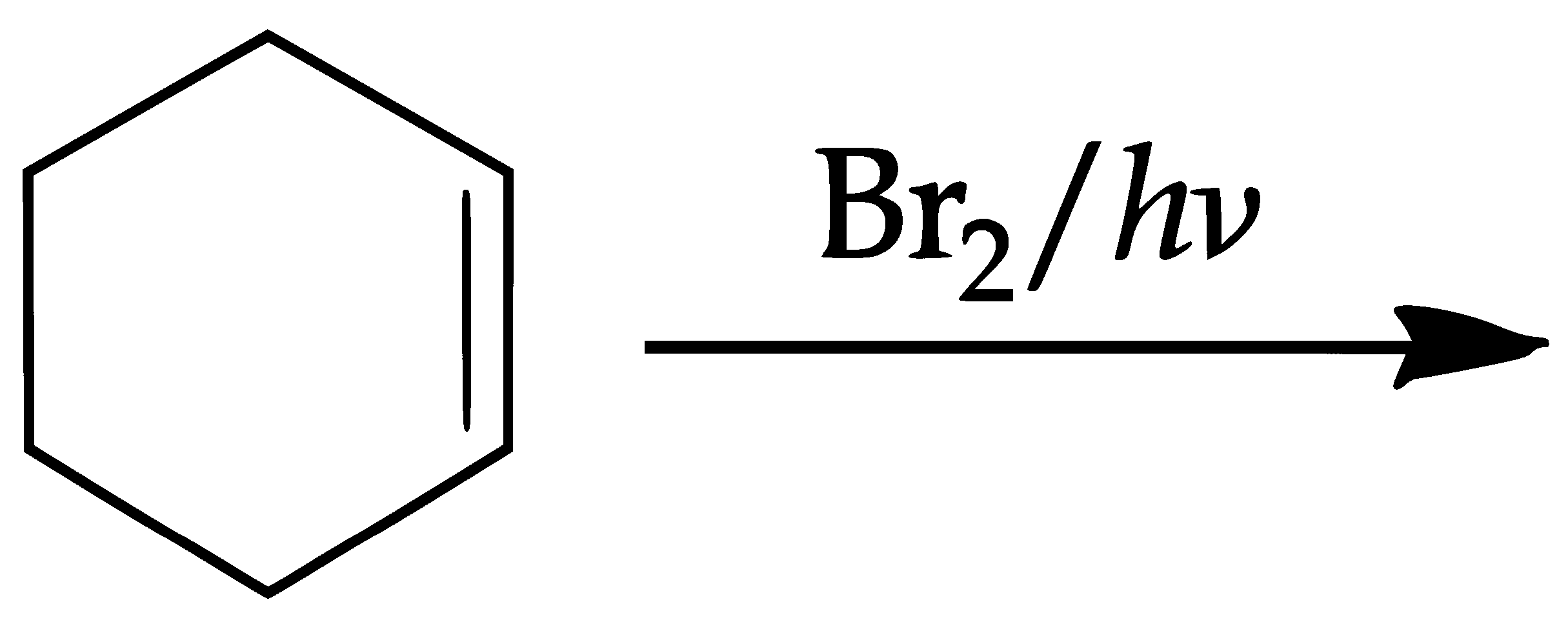
  1. A
    JEE Main 2016 (Online) 10th April Morning Slot Chemistry - Haloalkanes and Haloarenes Question 143 English Option 1
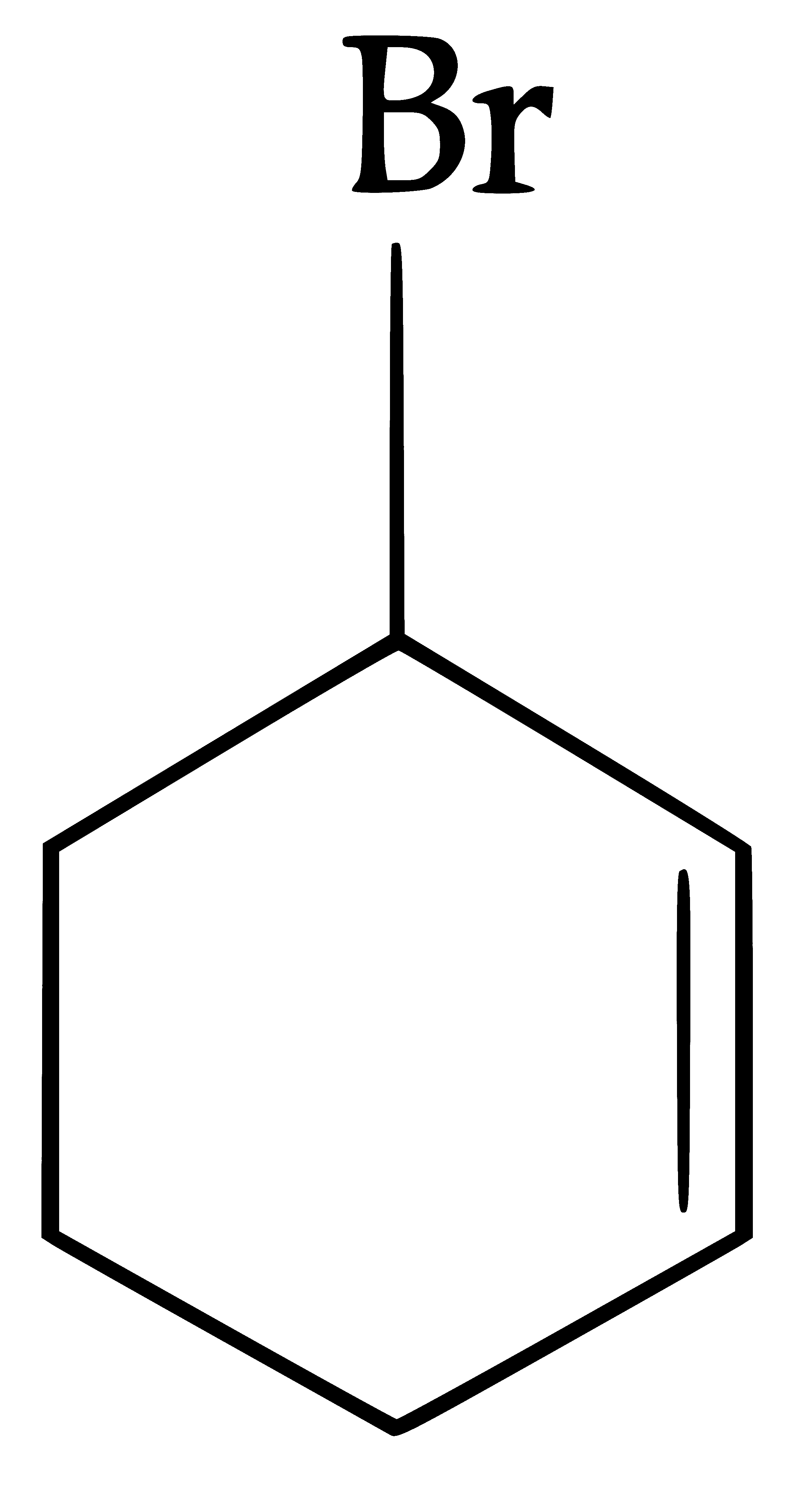
  2. B
    JEE Main 2016 (Online) 10th April Morning Slot Chemistry - Haloalkanes and Haloarenes Question 143 English Option 2
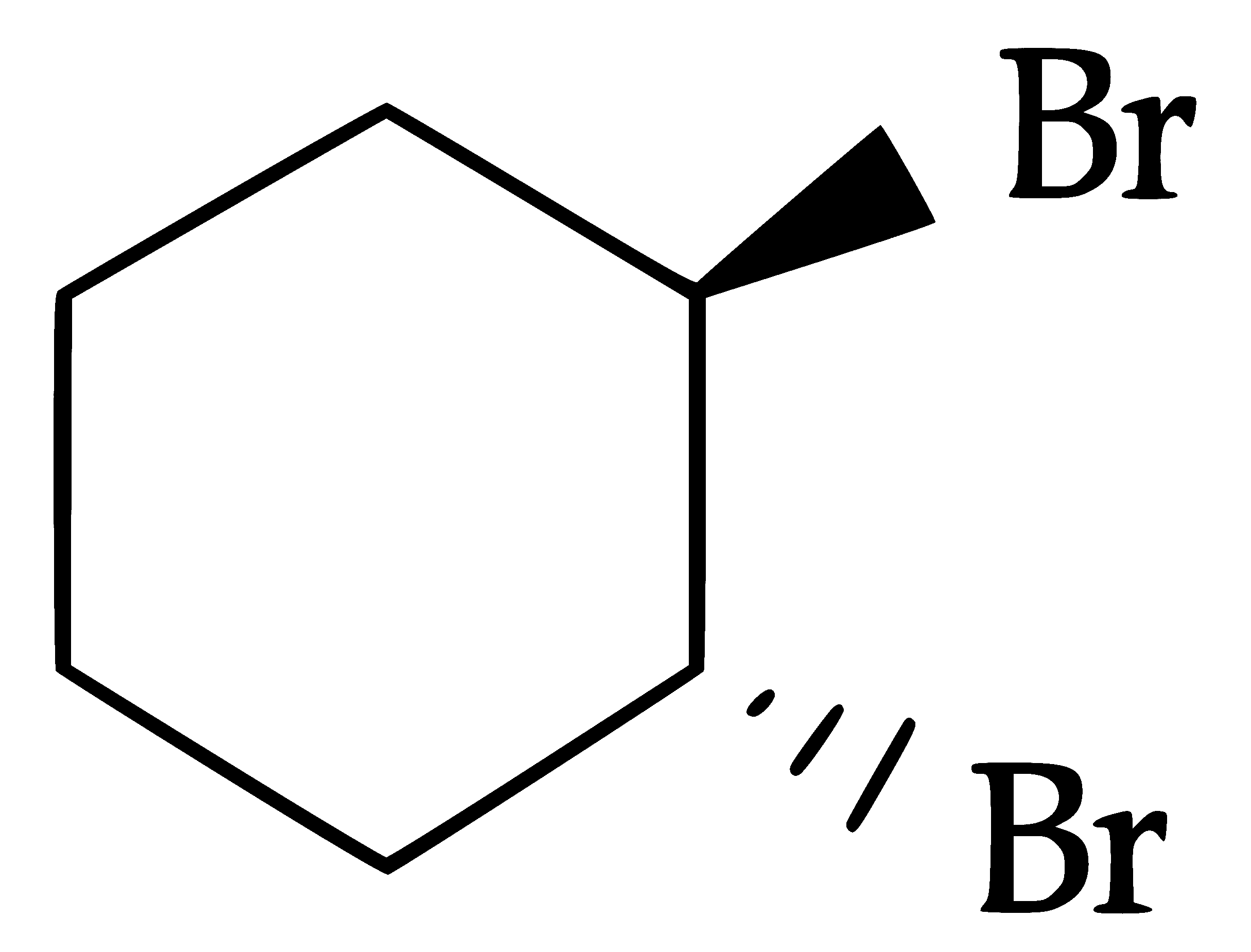
  3. C
    JEE Main 2016 (Online) 10th April Morning Slot Chemistry - Haloalkanes and Haloarenes Question 143 English Option 3
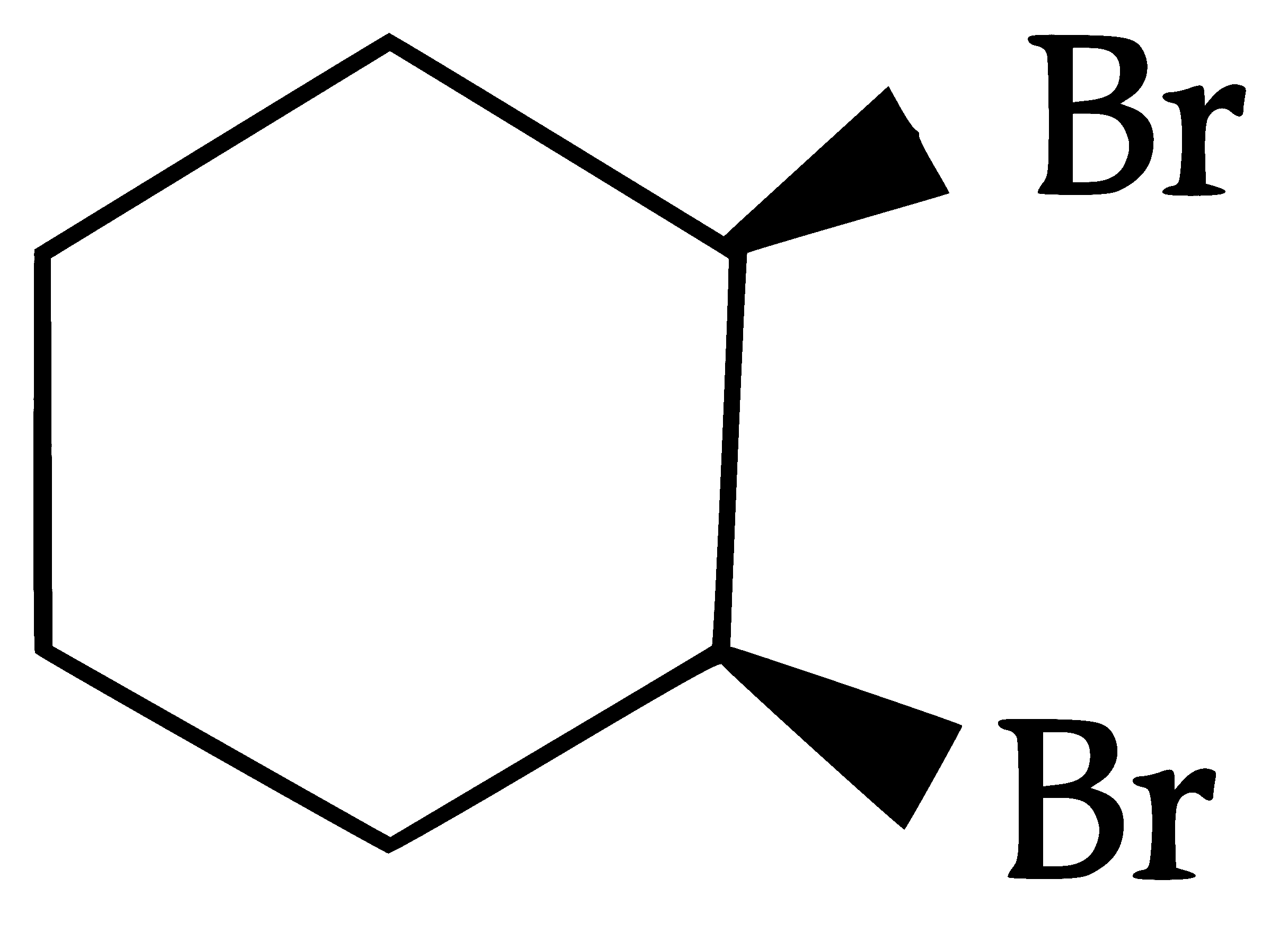
  4. D
    JEE Main 2016 (Online) 10th April Morning Slot Chemistry - Haloalkanes and Haloarenes Question 143 English Option 4
View written solutionFree

Correct answer: B

The question statement is incomplete: it says “Bromination of cyclohexene under conditions given below yields:” but the actual conditions and the structures for options A, B, C, D are missing.

Because bromination of cyclohexene can give different products under different conditions, the answer cannot be derived uniquely from the text alone.

1. Why the conditions matter

Cyclohexene reacts with bromine differently depending on the reagent/medium:

  1. Br2/CCl4Br_2/CCl_4Br2​/CCl4​

    • Electrophilic addition across the double bond
    • Gives trans-1,2-dibromocyclohexane (anti addition via bromonium ion)
  2. Br2/H2OBr_2/H_2OBr2​/H2​O

    • Forms a bromohydrin
    • Gives trans-2-bromocyclohexanol
  3. NBS / light or peroxide

    • Allylic bromination
    • Gives 3-bromocyclohexene
  4. Excess bromine / radical conditions

    • Other substitution/addition possibilities may arise

So without the missing conditions and the option structures, the product cannot be identified with certainty.

2. What is usually expected in such a standard JEE question

In many standard questions, “bromination of cyclohexene” under normal addition conditions means:

Cyclohexene+Br2→CCl4trans-1,2-dibromocyclohexane\text{Cyclohexene} + Br_2 \xrightarrow[CCl_4]{} \text{trans-1,2-dibromocyclohexane}Cyclohexene+Br2​CCl4​​trans-1,2-dibromocyclohexane

This occurs by:

  • formation of a cyclic bromonium ion,
  • followed by backside attack of Br−Br^-Br−,
  • resulting in anti addition.

Hence the product is trans-1,2-dibromocyclohexane.

3. Comparison with stored answer

The stored correct answer is B, but since the option structures are not shown, I cannot directly verify whether B corresponds to trans-1,2-dibromocyclohexane.

So I cannot confidently confirm agreement from the provided data alone.

4. Conclusion

If the intended condition was the usual Br2/CCl4Br_2/CCl_4Br2​/CCl4​, then the product should be:

trans-1,2-dibromocyclohexane\boxed{\text{trans-1,2-dibromocyclohexane}}trans-1,2-dibromocyclohexane​

If option B represents this structure, then the stored answer is correct.

PreviousNext

More from Haloalkanes and Haloarenes

  • The synthesis of alkyl fluorides is best accomplished by:2015 · MCQ
  • In SN2​ reactions, the correct order of reactivity for the following compounds: CH3​Cl, CH3​CH2Cl, (CH3​)2​CHCl and (CH3​)3​CCl is:2014 · MCQ
  • The major organic compound formed by the reaction of 1, 1, 1– trichloroethane with silver powder is:2014 · MCQ
  • A solution of (–l) – chloro –1 – phenylethane in toluene racemises slowly in the presence of a small amount of SbCl5​, due to the formation of :2013 · MCQ
  • Compound (A),C8​H9​Br, gives a white precipitate when warmed with alcoholic AgNO3​. Oxidation of (A) gives an acid (B),C8​H6​O4​.(B) easily forms anhydride on…2013 · MCQ
  • Iodoform can be prepared from all except :2012 · MCQ
  • What is DDT among the following?2012 · MCQ
  • How many chiral compounds are possible on monochlorination of 2–methyl butane ?2012 · MCQ