JEE MainChemistryHaloalkanes and HaloarenesMCQ+4 / −1
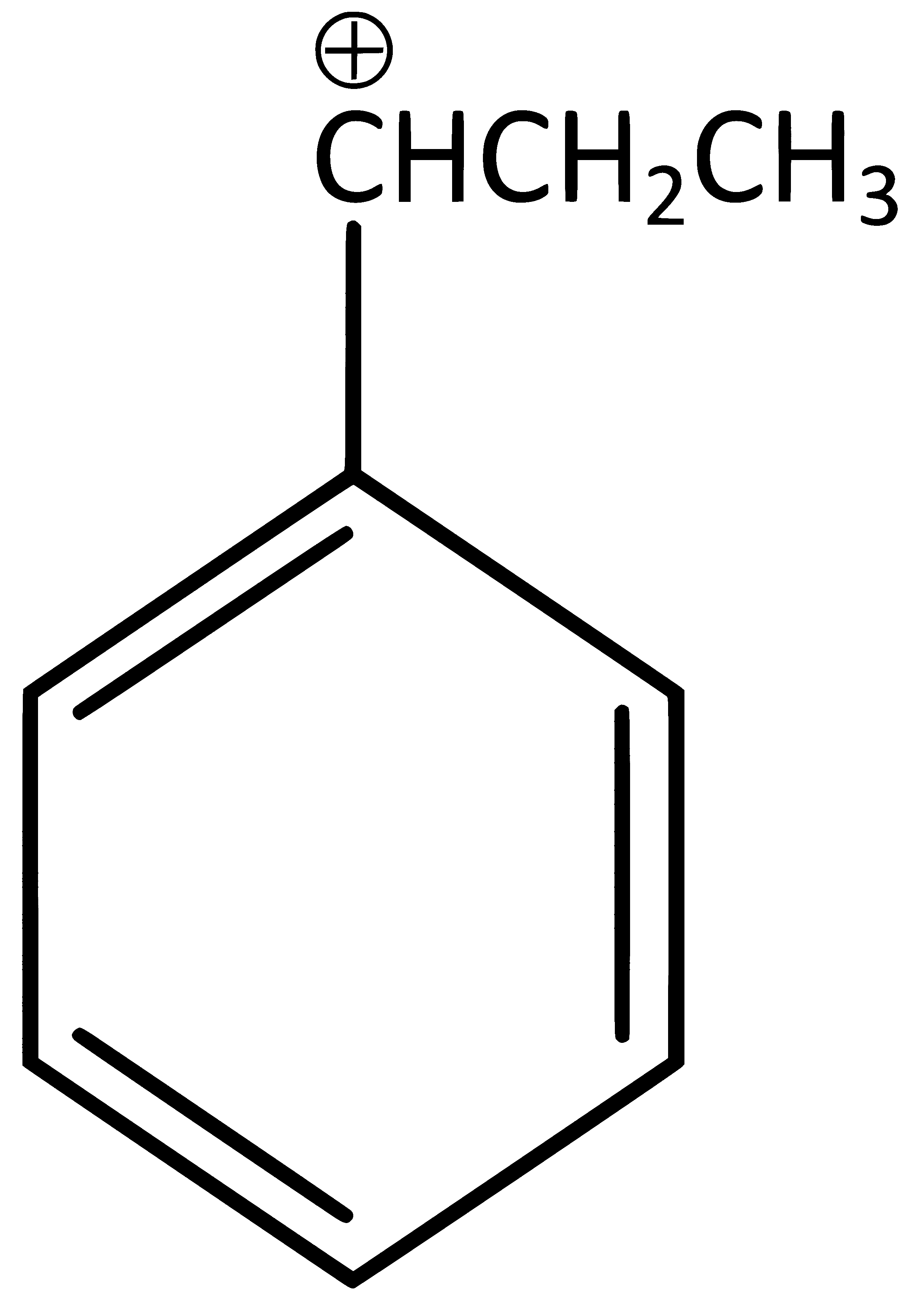
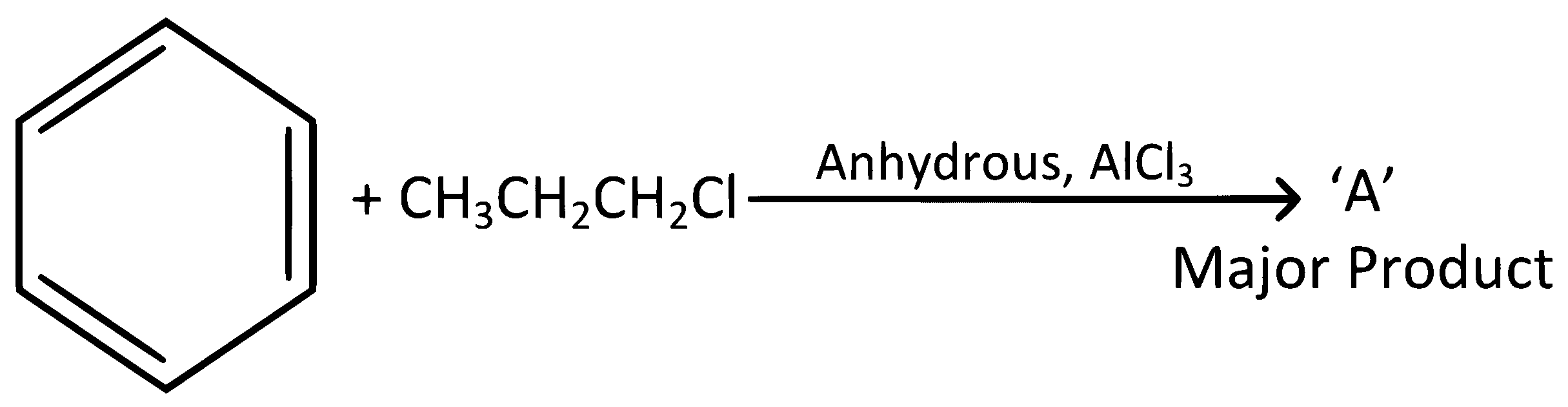 The stable carbocation formed in the above reaction is
- A
- B
- C
- D
More from Haloalkanes and Haloarenes
- In the following sequence of reactions, The compounds B and C respectively are :- Includes diagram2021 · MCQ
- The products ''A'' and ''B'' formed in above reactions are : Includes diagram2021 · MCQ
- Identify the reagent(s) 'A' and condition(s) for the reaction Includes diagram2021 · MCQ
- Which of the following reaction is an example of ammonolysis?2021 · MCQ
- The above reaction requires which of the following reaction conditions? Includes diagram2021 · MCQ
- Product ''A'' in the above chemical reaction is : Includes diagram2021 · MCQ
- The correct pair(s) of the ambident nucleophiles is(are) (A) / (B) / (C) / (D) /2021 · MCQ
- Reaction of Grignard reagent, with followed by hydrolysis gives compound "A" which reacts instantly with Lucas reagent to give compound B, . The Compound B is :2021 · MCQ