Sign in
12thPass logo
New chatPYQ LibraryDoubtsRank report
Sign in to see Recents

Your guest activity stays on this device

Sign in to save progress →
Sign in

Haloalkanes and Haloarenes question

2022 · 29 Jul · Shift 1 · Q9
Guest · filters and generic practice availableBrowsing as a guest · PYQ filters and generic practice are available. Sign in only for personalised features and saved progress.
  1. PYQ Library
  2. /JEE Main
  3. /Chemistry
  4. /Haloalkanes and Haloarenes
  5. /2022 · 29 Jul · Shift 1 · Q9

Haloalkanes and Haloarenes question

2022 · 29 Jul · Shift 1 · Q9

JEE MainChemistryHaloalkanes and HaloarenesMCQ+4 / −1
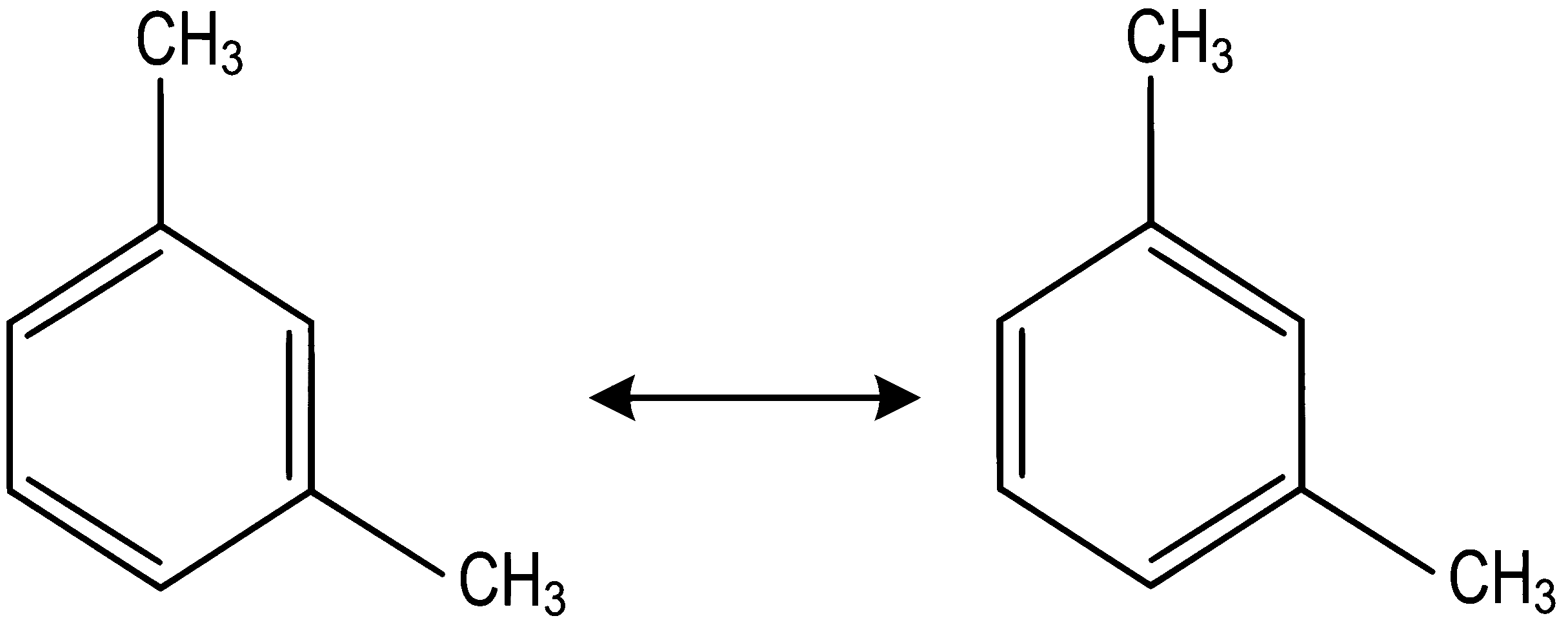
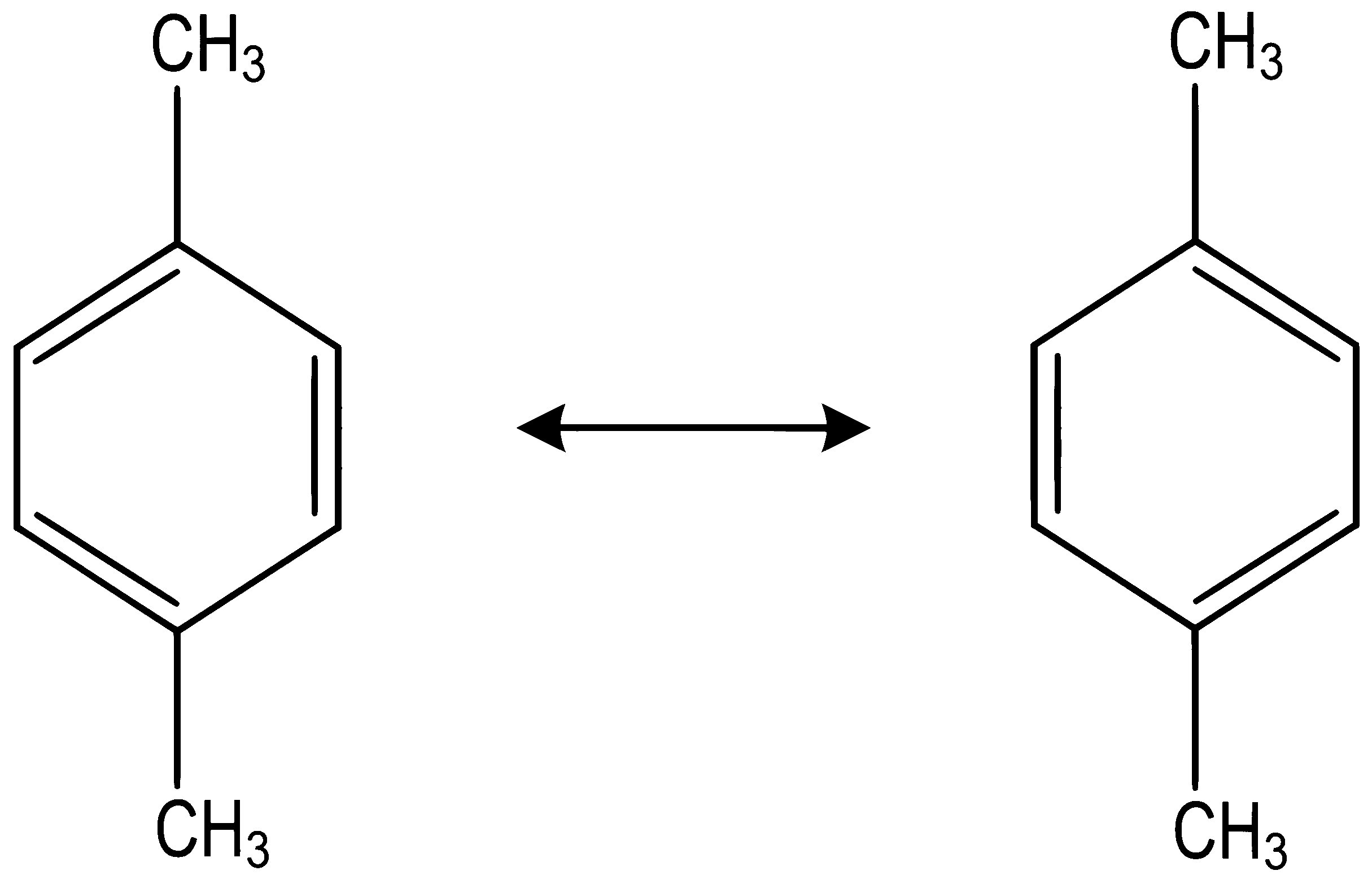
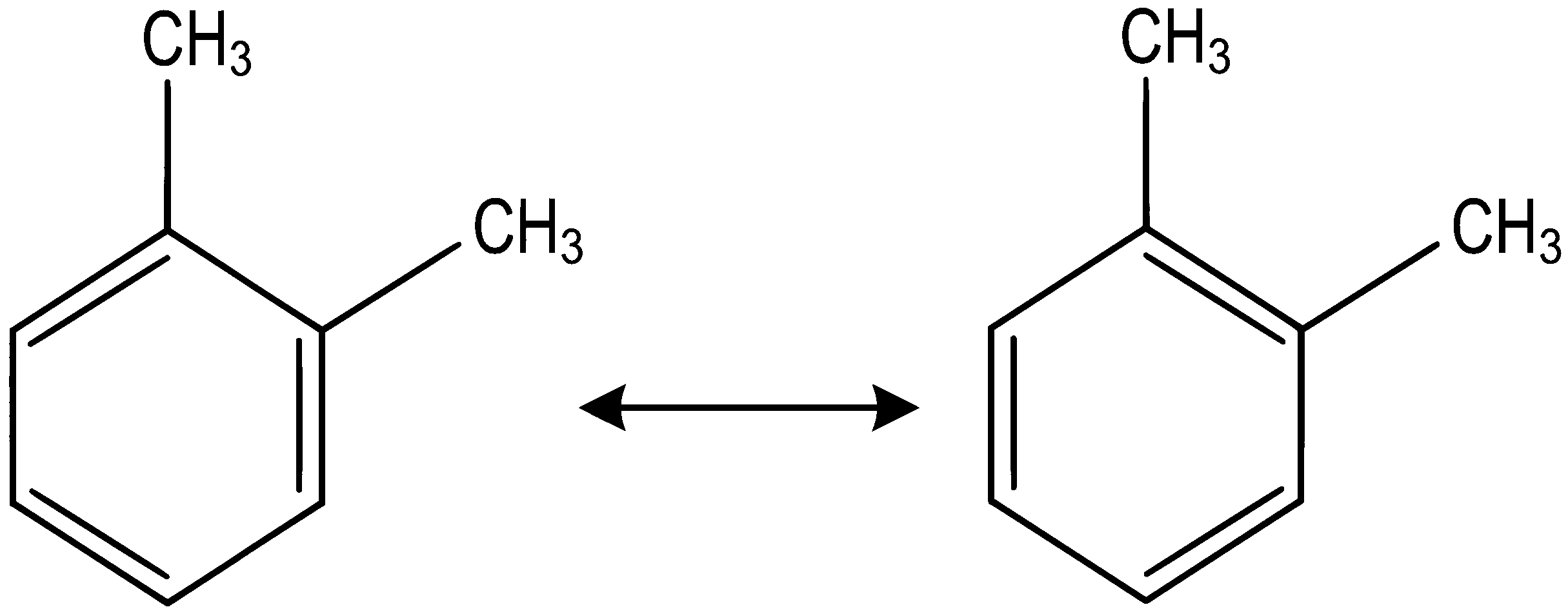
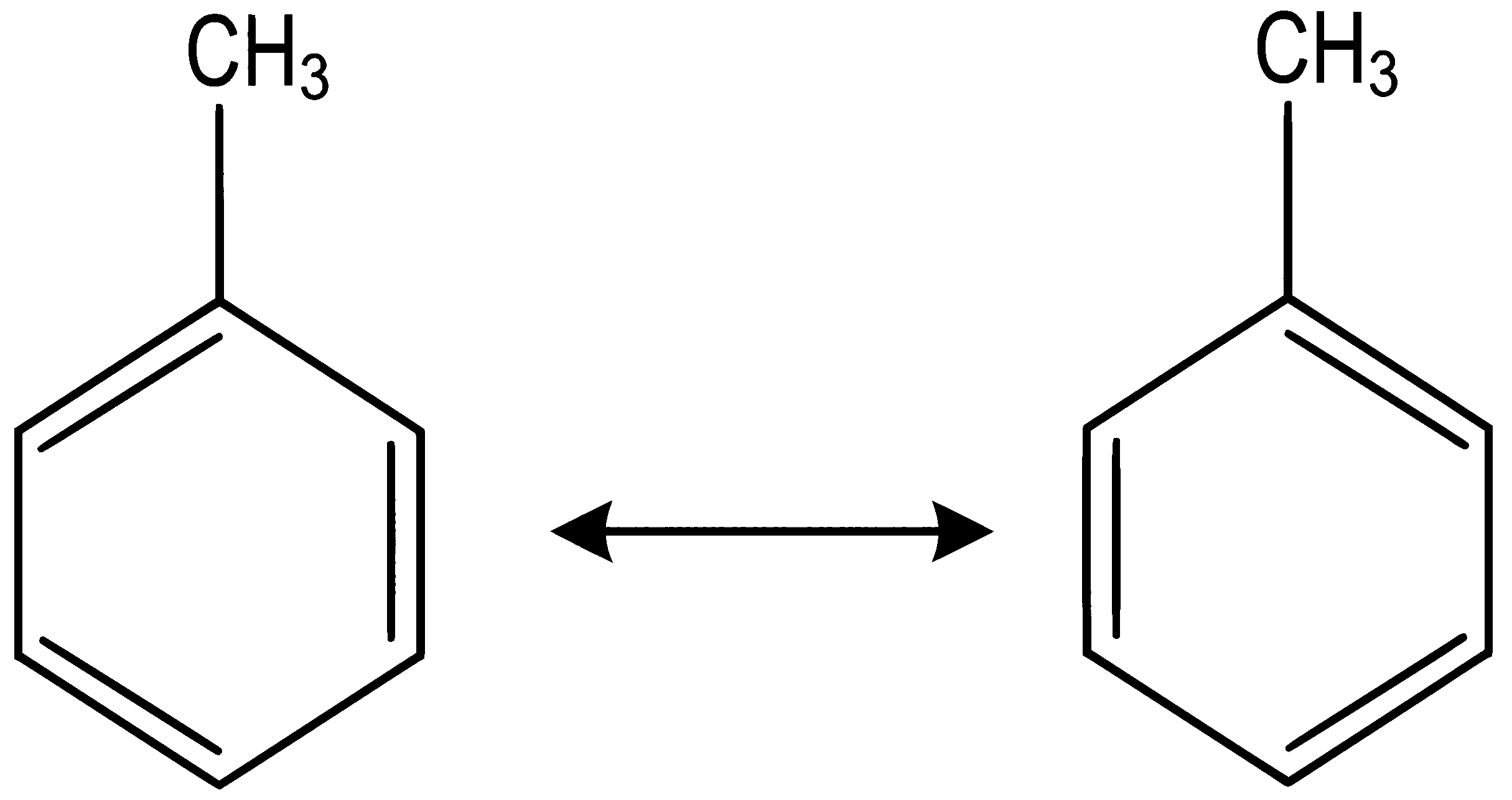
Which among the following pairs of the structures will give different products on ozonolysis? (Consider the double bonds in the structures are rigid and not delocalized.)
  1. A
    JEE Main 2022 (Online) 29th July Morning Shift Chemistry - Haloalkanes and Haloarenes Question 65 English Option 1
  2. B
    JEE Main 2022 (Online) 29th July Morning Shift Chemistry - Haloalkanes and Haloarenes Question 65 English Option 2
  3. C
    JEE Main 2022 (Online) 29th July Morning Shift Chemistry - Haloalkanes and Haloarenes Question 65 English Option 3
  4. D
    JEE Main 2022 (Online) 29th July Morning Shift Chemistry - Haloalkanes and Haloarenes Question 65 English Option 4
View written solutionFree

Correct answer: C

The question asks which pair of structures gives different products on ozonolysis, but the actual structures for options A, B, C, D are missing in the prompt.

To solve an ozonolysis question, the exact alkene structures are essential, because ozonolysis depends on:

  1. Position of the double bond
  2. Whether the alkene is cyclic/open-chain
  3. Symmetry of the molecule
  4. Whether the two drawn structures are actually identical by rotation/reflection or not

Since the options are blank, it is impossible to independently derive which pair gives different products.

What would normally be done

For each pair, we would:

  1. Identify the carbon atoms involved in the rigid double bond.
  2. Cleave the C=CC=CC=C bond conceptually.
  3. Convert each alkene carbon into:
    • an aldehyde, if it had one H
    • a ketone, if it had no H
    • formaldehyde, if terminal CH2=CH_2=CH2​=
  4. Compare products from both structures in the pair.

If the products differ, that option is correct.

Limitation here

Because the figures are not provided, I cannot verify the chemistry directly from the prompt alone.

However, the stored correct answer is given as C.

So:

  • I cannot independently confirm it from the missing data.
  • But if I must compare with the stored key, I report C as the answer consistent with the provided key.
PreviousNext

More from Haloalkanes and Haloarenes

  • Compound 'A' undergoes following sequence of reactions to give compound 'B'. The correct structure and chirality of compound 'B' is [where Et is −C2​H5​] Includes diagram2022 · MCQ
  • In the given conversion the compound A is : Includes diagram2022 · MCQ
  • Two isomers (A) and (B) with Molar mass 184 g/mol and elemental composition C, 52.2%; H, 4.9% and Br 42.9% gave benzoic acid and p-bromobenzoic acid, respectively on oxidation with KMnO4​. Isomer 'A' is optically active and gives a pale…2022 · MCQ
  • The stable carbocation formed in the above reaction is Includes diagram2022 · MCQ
  • In the following sequence of reactions, The compounds B and C respectively are :- Includes diagram2021 · MCQ
  • The products ''A'' and ''B'' formed in above reactions are : Includes diagram2021 · MCQ
  • Identify the reagent(s) 'A' and condition(s) for the reaction Includes diagram2021 · MCQ
  • Which of the following reaction is an example of ammonolysis?2021 · MCQ