Match List - I with List - II.
| List - I (Reaction) | List - II (Reagent(s)) | ||
|---|---|---|---|
| (A) | 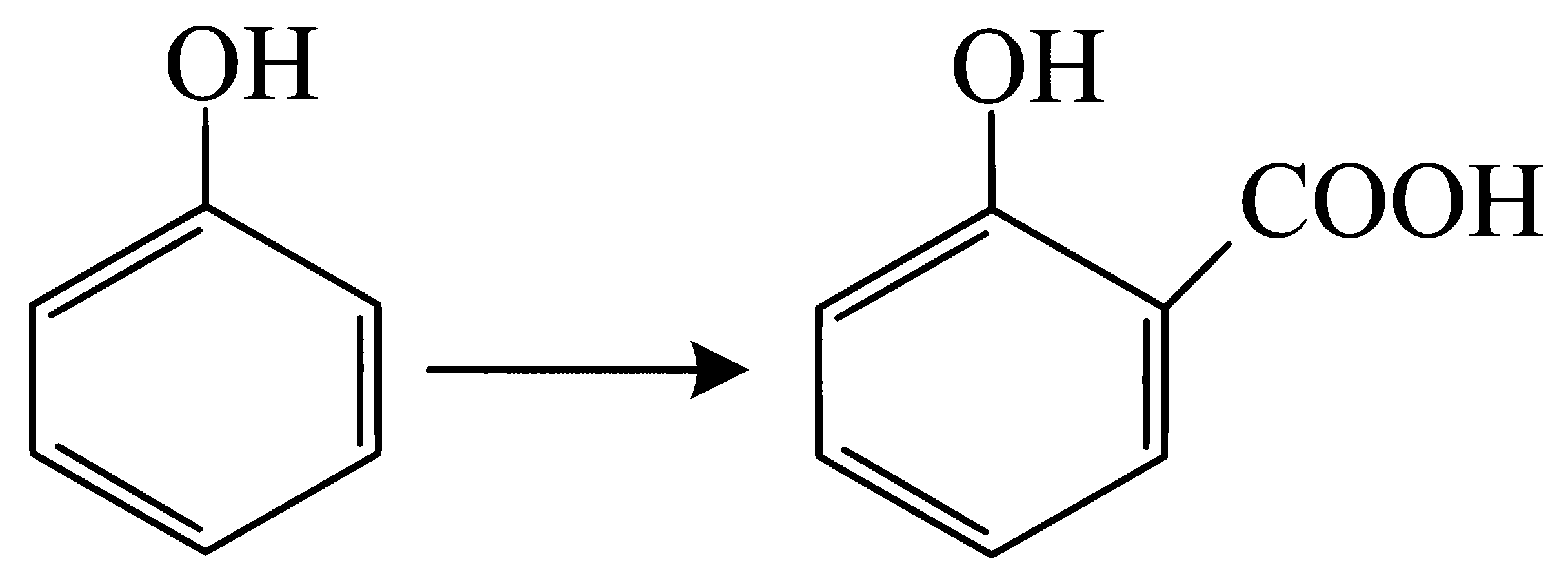 | (I) | |
| (B) | 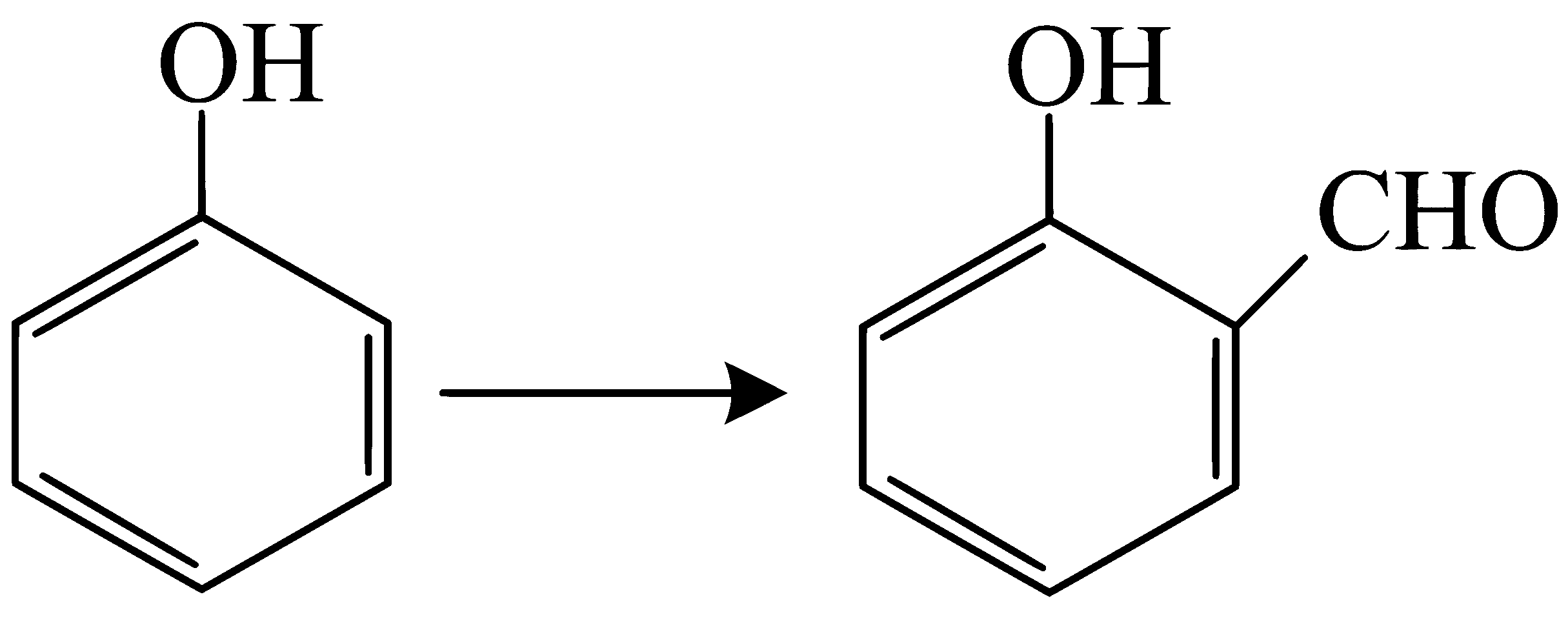 | (II) | (i) , (ii) |
| (C) | 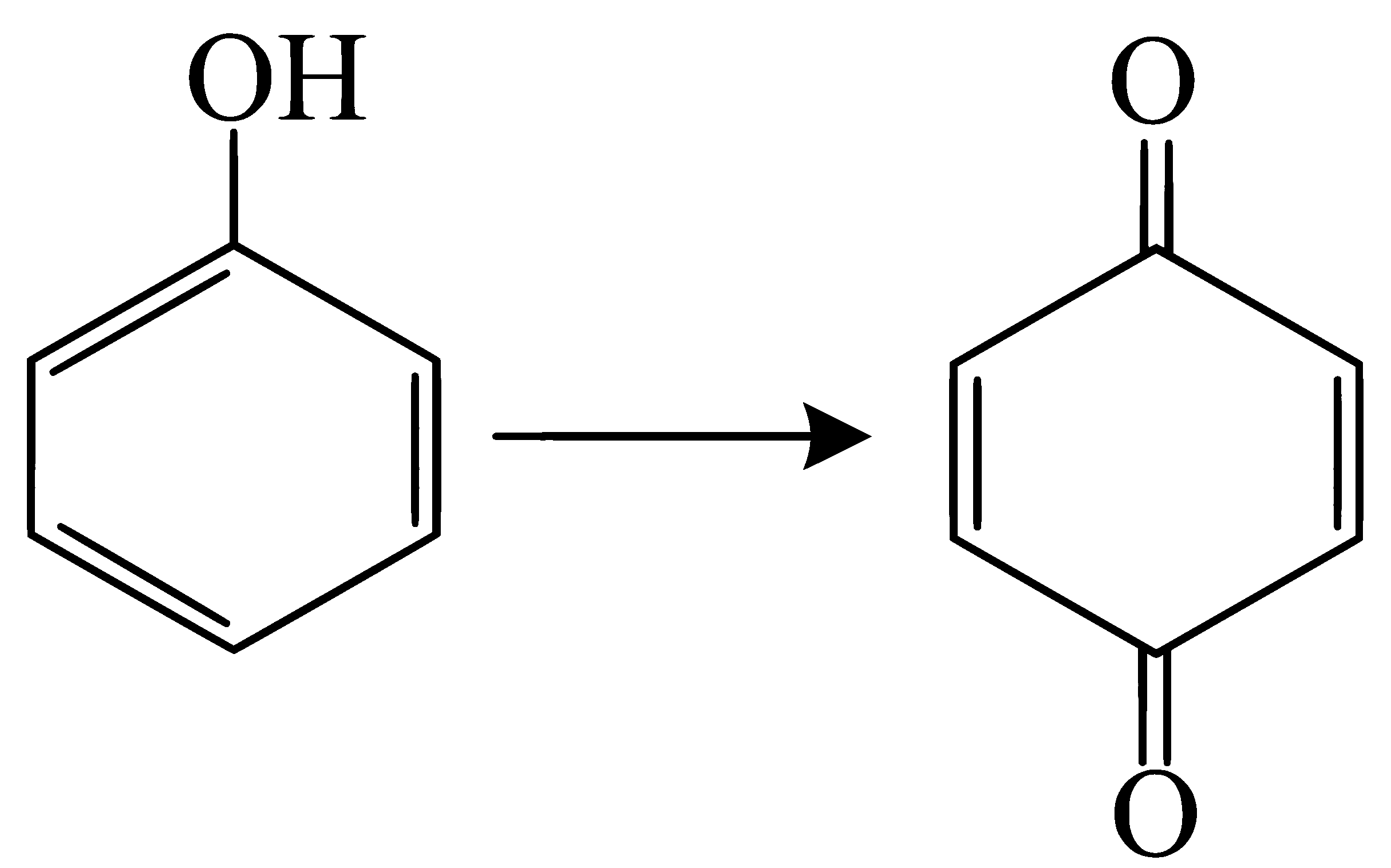 | (III) | (i) , (ii) , (iii) |
| (D) | 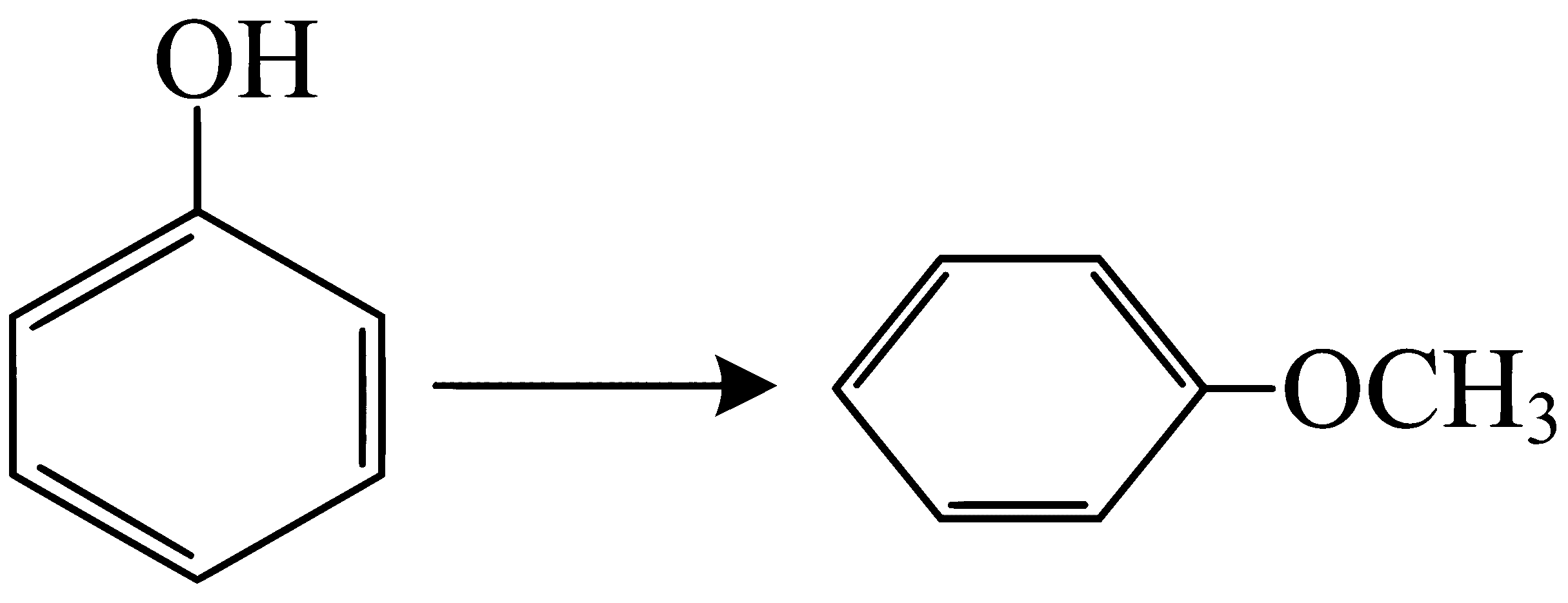 | (IV) | (i) , (ii) , (iii) |
Choose the correct answer from the options given below :
- A
- B
- C
- D
View written solutionFree
Correct answer: C
To match the reactions with reagents, identify the standard named transformation each reagent set performs on a phenol/alcohol derivative.
1. Identify the reagent sets in List-II
(I)
This is a strong oxidizing mixture.
- It oxidizes alcohols.
- In phenol chemistry, it commonly oxidizes suitable alkyl side chains / alcohol groups to carbonyl-containing products.
(II) (i) , (ii)
This is Williamson ether synthesis conditions.
- converts phenol to sodium phenoxide.
- methylates it to give anisole-type ether.
(III) (i) , (ii) , (iii)
This is the Reimer–Tiemann reaction.
- Phenol gives mainly o-hydroxybenzaldehyde after workup.
(IV) (i) , (ii) , (iii)
This is the Kolbe–Schmitt reaction.
- Phenol gives mainly o-hydroxybenzoic acid (salicylic acid) after acidification.
2. Match the reactions from List-I
Even though the structures in List-I are not rendered here, the reagent sets correspond to the following very standard product patterns:
-
Reaction giving carboxylation of phenol to salicylic acid must match Kolbe–Schmitt:
-
Reaction giving formylation of phenol to salicylaldehyde must match Reimer–Tiemann:
-
Reaction involving oxidation must match dichromate in acid:
-
Reaction involving methylation / ether formation from phenol must match Williamson conditions:
Thus the complete matching is:
3. Compare with options
This corresponds to Option C.
4. Verification with stored answer
Stored correct answer = C
Our derived answer = C
So, the answer agrees with the stored answer.
More from Alcohols Phenols and Ethers
- Major product formed in the following reaction is a mixture of : Includes diagram2024 · MCQ
- Phenolic group can be identified by a positive:2024 · MCQ
- The major product(P) in the following reaction is Includes diagram2024 · MCQ
- Phenol treated with chloroform in presence of sodium hydroxide, which further hydrolyzed in presence of an acid results2024 · MCQ
- Match List I with List II Choose the correct answer from the options given below: Includes table2024 · MCQ
- Given below are two statements: One is labelled as Assertion A and the other is labelled as Reason R: Assertion A: value of phenol is 10.0 while that of ethanol is 15.9 . Reason R: Ethanol is stronger acid than…2024 · MCQ
- Given below are two statements: One is labelled as Assertion A and the other is labelled as Reason R: Assertion A: Alcohols react both as nucleophiles and electrophiles. Reason R: Alcohols react with active metals such as sodium, potassium…2024 · MCQ
- Identify the incorrect option from the following2023 · MCQ