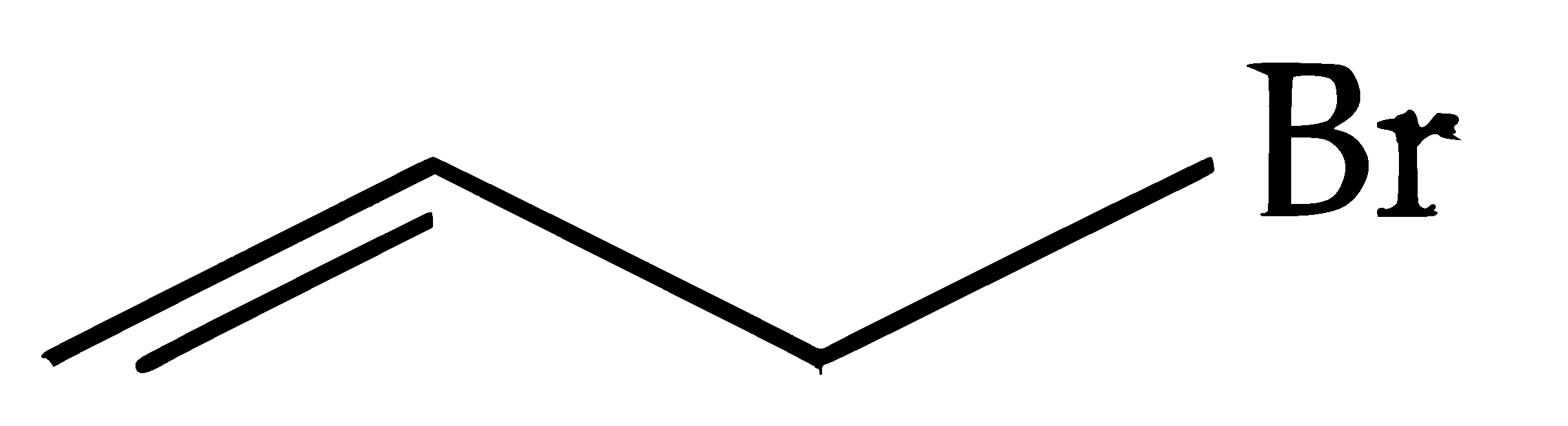
- A
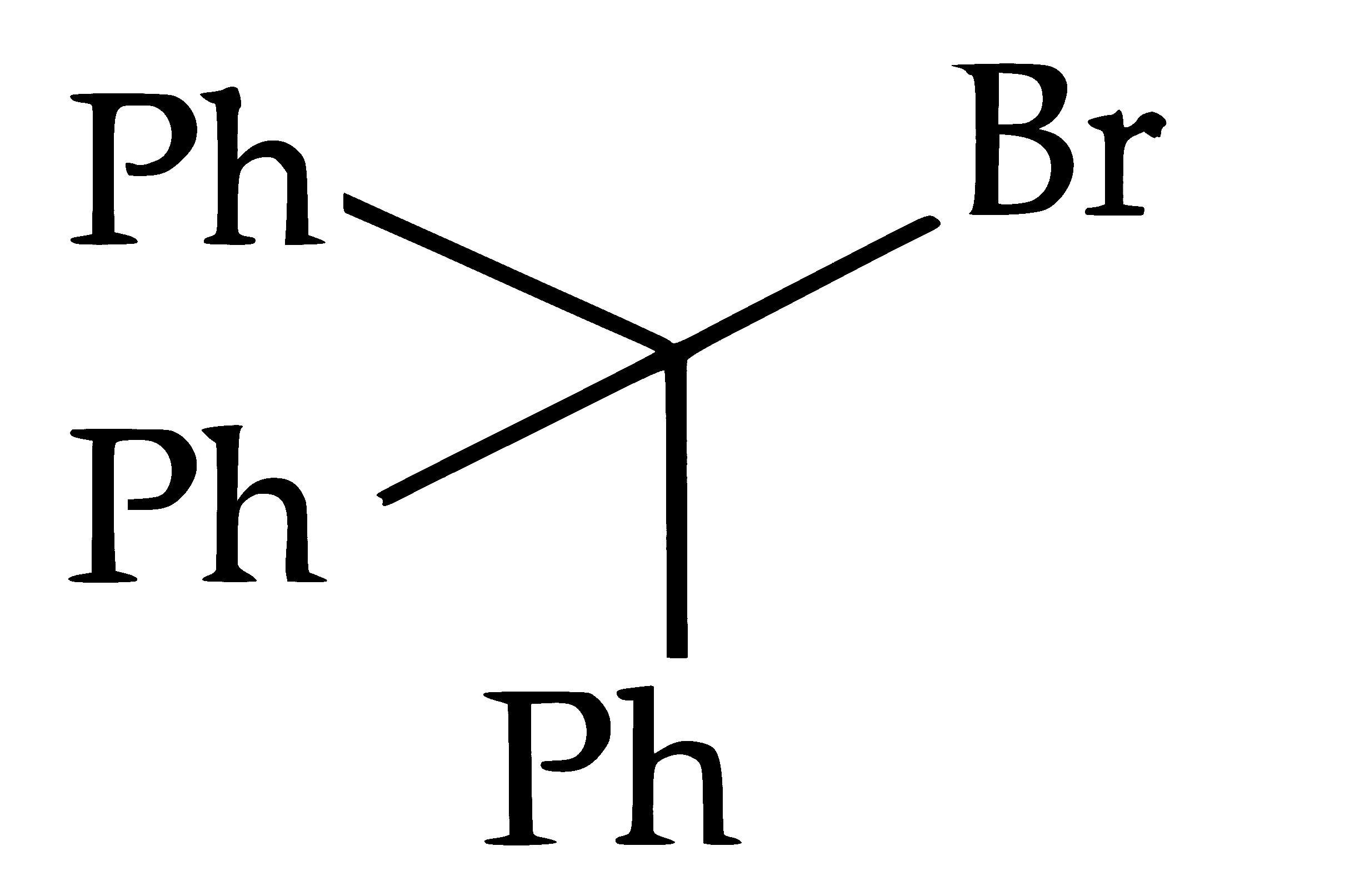
- B
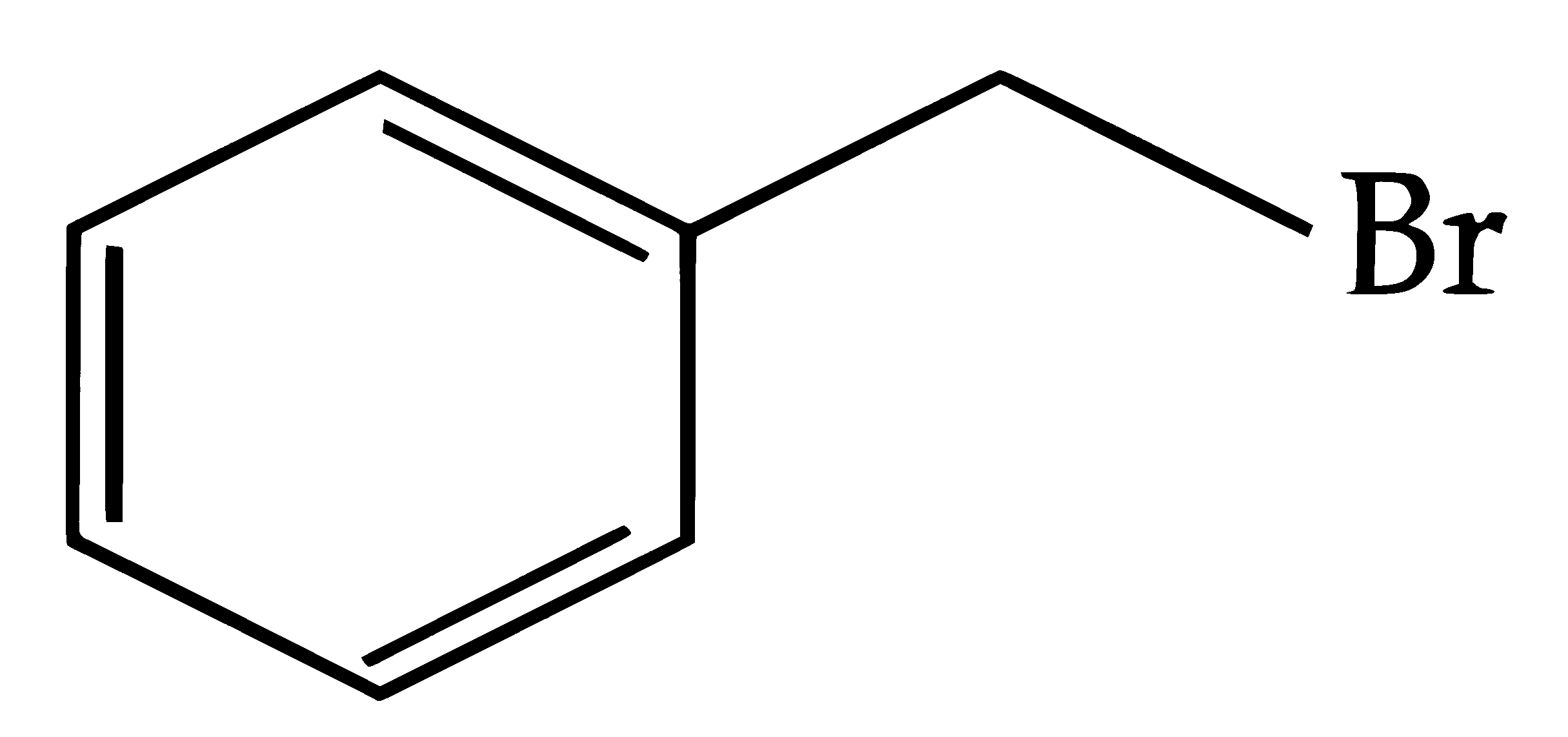
- C
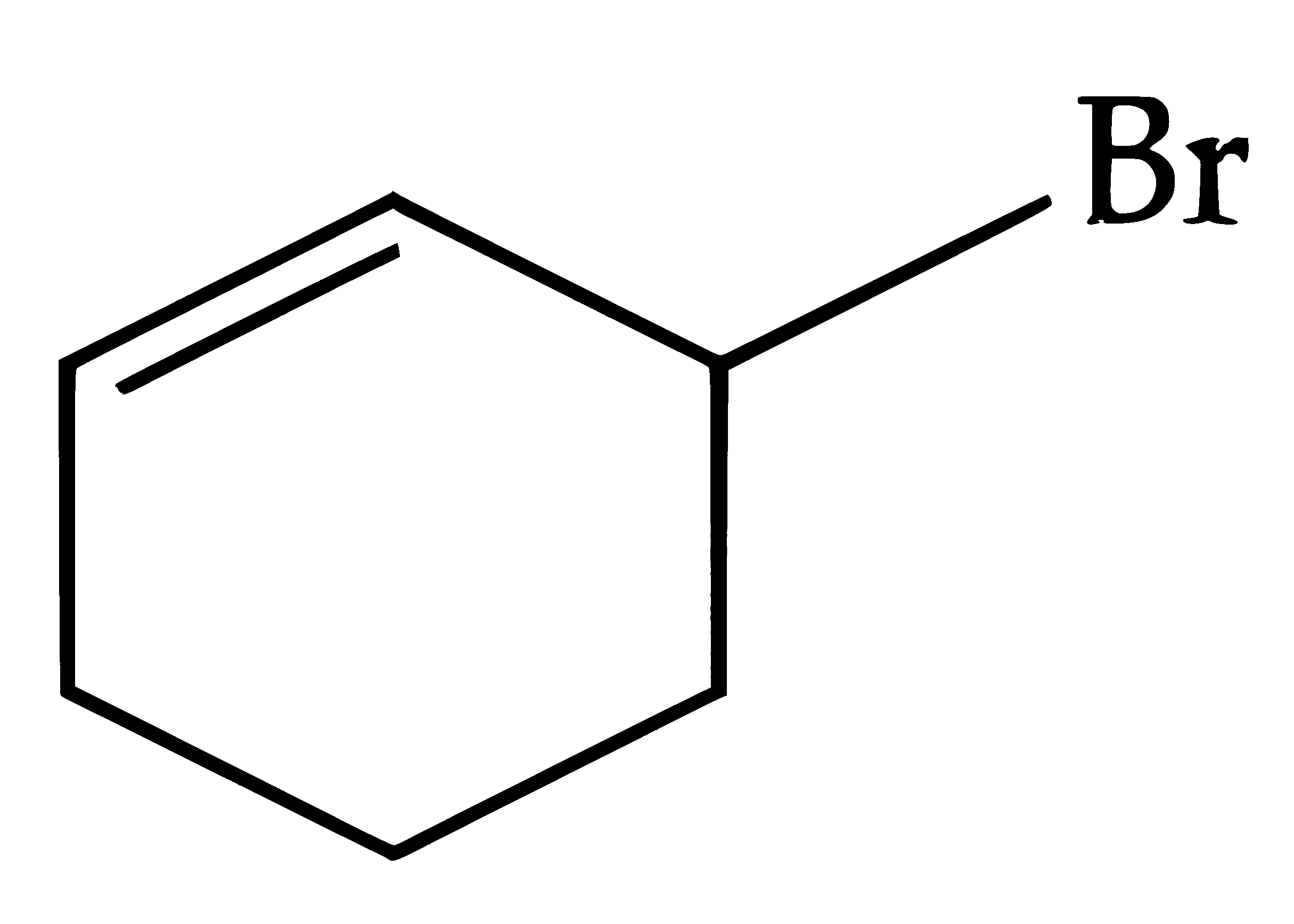
- D
View written solutionFree
Correct answer: B
The question asks:
Which halide will generate the most stable carbocation in a nucleophilic substitution reaction?
However, the actual structures for options A, B, C, and D are missing in the prompt. Since carbocation stability depends entirely on the structure of the alkyl/aryl halide, it is not possible to derive the correct answer from the given information alone.
Step 1: What determines carbocation stability?
In nucleophilic substitution reactions proceeding via an mechanism, the halide first forms a carbocation:
The more stable the carbocation , the more favorable this step.
General order of carbocation stability is:
Also:
- Benzylic and allylic carbocations are especially stable due to resonance.
- Tertiary carbocations are stabilized by hyperconjugation and inductive effects.
- Vinylic and aryl carbocations are highly unstable.
Step 2: Why the problem cannot be solved definitively
The options are shown only as:
- A:
- B:
- C:
- D:
with no molecular structures attached.
Therefore, we cannot:
- Identify what carbocation each halide would form.
- Compare their relative stabilities.
- Verify whether option B is truly correct.
Step 3: Comparison with stored answer
The stored correct answer is B, but because the structures are missing, I cannot independently confirm it.
So I do not have enough information to agree with the stored answer on chemical grounds.
If you provide the four halide structures, I can evaluate each one step-by-step and determine the correct option accurately.
More from Haloalkanes and Haloarenes
- Given below are two statements : one is labelled as Assertion (A) and the other is labelled as Reason (R). Assertion (A) : Haloalkanes react with KCN to form alkyl cyanides as a main product while with form isocyanide as…2024 · MCQ
- Identify B and C and how are A and C related? Includes diagram2024 · MCQ
- Identify the correct set of reagents or reaction conditions '' and '' in the following set of transformation. Includes diagram2024 · MCQ
- Consider the above reactions, identify product B and product C. Includes diagram2024 · MCQ
- Find out the major product formed from the following reaction. Includes diagram2024 · MCQ
- Product P is Includes diagram2024 · MCQ
- The number of halobenzenes from the following that can be prepared by Sandmeyer's reaction is Includes diagram2024 · Numerical
- Identify the major product in the following reaction. Includes diagram2024 · MCQ